Hygiene plays an important role in many powder and granule processing industries. Food, pharmaceutical, and selected chemical manufacturers need equipment that supports effective cleaning and helps reduce the risk of cross-contamination. In these environments, a vibrating screen must do more than separate particles by size. Its design should also support the cleaning, inspection, and maintenance procedures used in the production facility.
However, not every vibrating screen suits every hygienic application. Material properties, product-contact surfaces, equipment structure, sealing, and cleaning methods all influence equipment selection. This article explores the key features that manufacturers should consider when choosing a vibrating screen for hygienic processing environments.
1. Product-Contact Material Compatibility
The material that touches the product is one of the first considerations. Food and pharmaceutical powders may require specific contact materials to meet product specifications and facility hygiene procedures.
Stainless steel is a common choice for many hygienic processing applications. However, the appropriate grade depends on the material, cleaning chemicals, operating conditions, and corrosion risks.
For example, some food ingredients may work with commonly specified stainless steel grades. Certain chemical powders, however, may require a different material selection because of their chemical properties.
Therefore, manufacturers should confirm the material grade for all relevant product-contact components. These may include the screen frame, mesh, discharge outlets, and internal surfaces.
2. Smooth Surfaces and Accessible Structures
Surface condition affects how easily operators can clean equipment. Rough surfaces, crevices, and inaccessible areas may allow powder residue to accumulate.
For this reason, hygienic equipment designs should consider smooth product-contact surfaces and accessible internal structures. Weld quality and surface finishing also deserve attention, especially around joints and connections.
In addition, operators need sufficient access to inspect areas where material may collect. A design that supports visual inspection can make routine cleaning checks more practical.
Nevertheless, the required surface finish depends on the customer's process and hygiene specifications. Manufacturers should confirm the applicable requirements before finalizing the equipment configuration.
3. Easy Disassembly and Cleaning
Different powders leave different types of residue. Flour, starch, milk powder, pharmaceutical excipients, and fine chemical powders may require different cleaning procedures.
Consequently, easy access to the screen mesh and product-contact components can simplify routine maintenance. Removable screen assemblies and practical access points may help operators inspect and clean relevant areas.
Moreover, the cleaning method should match the equipment design. Some applications use dry cleaning, while others require wet cleaning or a defined sanitation procedure. Manufacturers should confirm whether the selected machine supports the intended cleaning method.
A clear cleaning procedure should also address mesh replacement, component reassembly, and inspection before production resumes.
4. Effective Sealing and Dust Control
Fine powders can escape from equipment connections during feeding, screening, and discharge. This may affect the working environment and create product-handling concerns.
Therefore, a suitable vibrating screen should have a sealing arrangement that matches the material and process requirements. Covers, connection points, and discharge interfaces deserve careful evaluation.
For dusty materials, manufacturers may also consider compatible dust collection connections. These arrangements can help manage airborne powder when properly integrated with the wider production system.
However, sealing requirements vary by application. Chemical powders, combustible dusts, and materials with specific containment requirements may need additional engineering assessment.
5. Screen Mesh Selection and Replacement
The screen mesh directly affects particle separation. It also forms an important product-contact component in many screening applications.
Manufacturers should select mesh openings according to the target particle-size range. At the same time, they should consider mesh material, strength, open area, and compatibility with the product.
For fine powders, mesh blockage can create additional cleaning and maintenance needs. An ultrasonic vibrating screen may help reduce particle adhesion and mesh blockage in suitable applications. It applies high-frequency vibration to the mesh, although results depend on the material and operating conditions.
Furthermore, the mesh replacement method matters. A practical design can help operators remove, inspect, and reinstall the screen assembly according to the manufacturer's instructions.
6. Preventing Cross-Contamination During Production Changes
Some facilities process several products on the same production line. In these situations, cleaning between batches becomes an important part of process control.
A vibrating screen should therefore support the cleaning procedure established by the facility. Operators should pay attention to the mesh, frame, seals, outlets, and other areas that may retain material.
In addition, manufacturers should consider whether the equipment design allows suitable inspection after cleaning. The cleaning process itself must follow the customer's validated or approved procedures where applicable.
Importantly, a hygienic equipment design can support contamination-control practices, but it does not independently guarantee product safety or compliance with a quality standard.
7. Choosing the Right Vibrating Screen for Hygienic Applications
Different screening machines can serve different powder and granule applications. The appropriate choice depends on the material, separation target, cleaning requirements, and production layout.
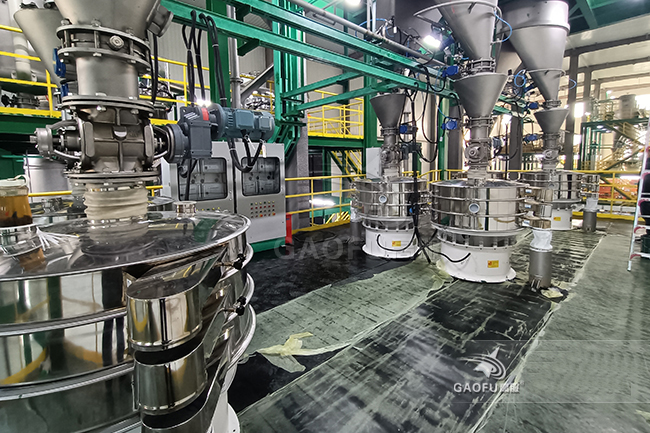
- Rotary Vibrating Screen: Commonly used for screening and classifying food powders, starch, sugar, salt, and selected pharmaceutical or chemical materials. The configuration can be assessed according to contact material and cleaning requirements.
- Ultrasonic Vibrating Screen: Worth considering for selected fine powders that tend to adhere to the mesh or cause blockage. Its cleaning assistance depends on material characteristics and process conditions.
- Linear Vibrating Screen: Suitable for selected continuous screening and classification applications involving powders and granules. Its structure and contact materials should match the hygiene requirements.
- Tumbler Screening Machine: Uses a screening motion that simulates aspects of manual sieving. It may suit certain applications that require a more gradual screening action.
Before choosing a machine, manufacturers should review the product-contact material, mesh specifications, cleaning method, required capacity, and installation environment. A material test and design review can help determine a suitable configuration.
8. About Gaofu
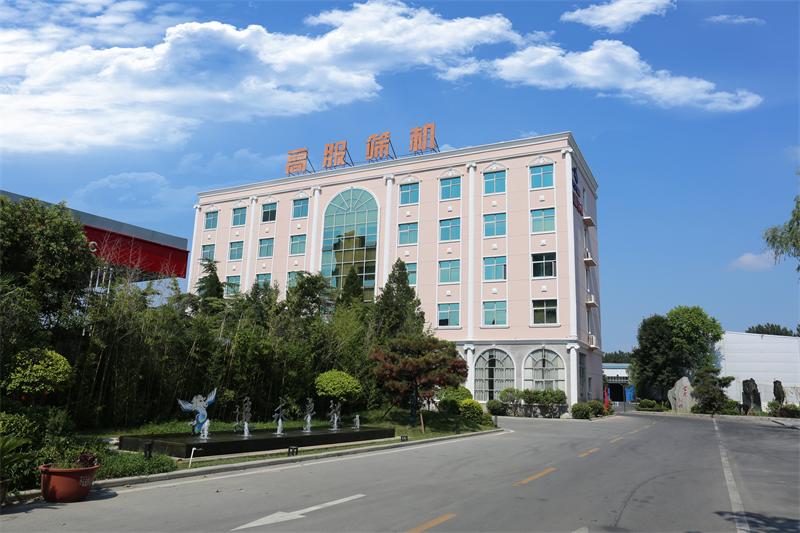
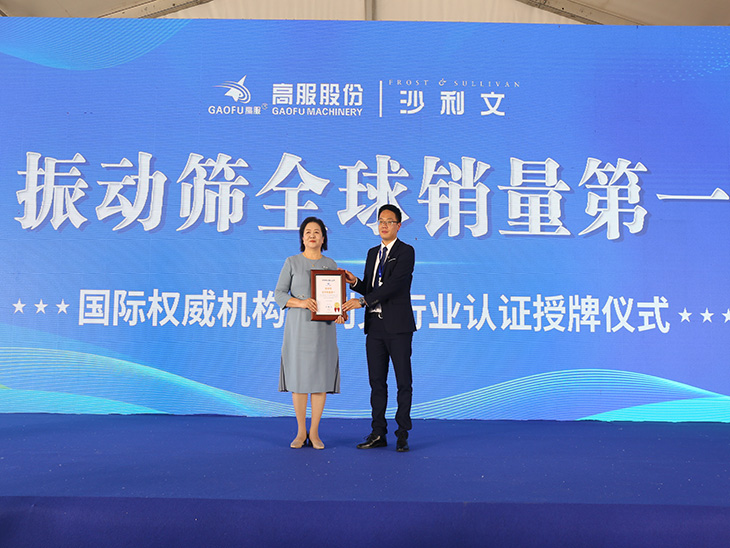
Xinxiang Gaofu Machinery Co., Ltd. has more than 40 years of experience in the research, development, and manufacture of industrial screening equipment. The company provides integrated solutions for screening, conveying, and automated material handling.
Its product range includes rotary vibrating screens, tumbler sieves, ultrasonic vibrating screens, linear vibrating screens, airflow screens, and related conveying, filtration, and coal crushing equipment. These products serve industries such as food, pharmaceuticals, chemicals, metallurgy, building materials, and mining.
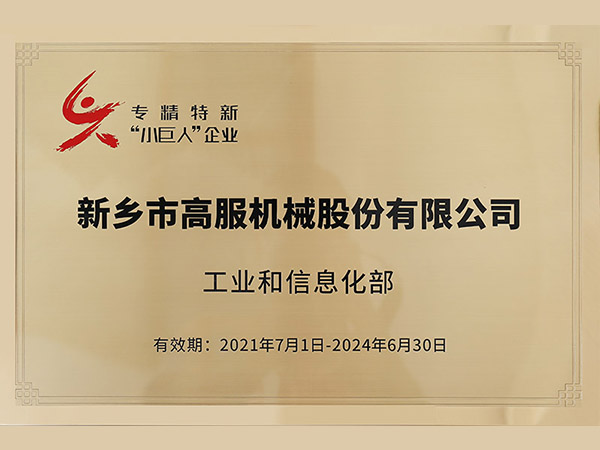
Gaofu holds ISO 9001 quality management system certification, while CE marking applies to relevant product series. The company has filed more than 500 patent applications cumulatively and participated in drafting four national standards. Its products reach customers in more than 100 countries and regions, and Gaofu has served over 10,000 customers worldwide.
Conclusion
A vibrating screen for hygienic processing environments should combine suitable product-contact materials with accessible surfaces, practical cleaning arrangements, effective sealing, and appropriate mesh design.
Manufacturers should evaluate these features alongside the material's physical properties and the production facility's hygiene procedures. Gaofu offers different vibrating screen solutions for powder and granule processing across food, pharmaceutical, and chemical industries.
If you are selecting a vibrating screen for a hygienic production environment, share your material type, target particle size, cleaning method, and required processing capacity with Gaofu. These details can help the team assess a suitable equipment configuration for your application.