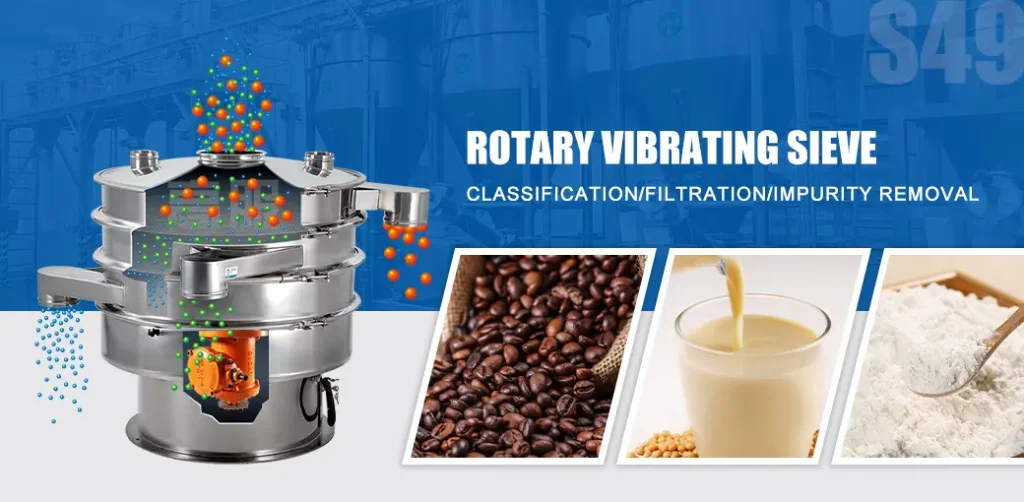
Consistent screening depends on routine care. Small maintenance tasks protect cut accuracy and throughput. They also extend screen life. Therefore, operators should follow a practical maintenance plan. Gaofu Machinery provides vibrating screens for powder and granular materials. This article outlines key steps for keeping screening results stable.
Start with daily visual checks
First, inspect the screen before each shift. Look for powder buildup around the housing. Check the mesh for visible damage. Next, review the clamps and gaskets. A loose clamp can create a dust leak. Then listen for unusual noise during start-up. Early checks take only minutes. They also prevent larger problems later.
Clean the screening area after each shift
Powder dust settles quickly. Moisture makes it stick to surfaces. Therefore, clean the screening area after every production shift. First, stop the feed and run the screen empty. Then switch off the power and follow lockout steps. Next, open the housing with the quick-release clamps. Use a soft brush to remove loose powder. For wet cleaning, use a mild detergent and warm water. Avoid harsh chemicals that can damage seals. Rinse and dry the interior thoroughly. Moisture left on the mesh can cause sticking during the next run.
Inspect the mesh and anti-blinding parts
Mesh condition affects cut accuracy. Hold the mesh against a light source. Look for holes, loose edges, or stretched areas. Replace damaged screens promptly. Next, check the bouncing balls if your screen uses them. Silicone balls should move freely under the mesh. Remove powder buildup around the ball guide. Replace worn or deformed balls. Clean bouncing balls help reduce blinding. They also support stable throughput between cleaning cycles.
Check seals, clamps, and the dust port
Seals protect the product and the workplace. Wipe each gasket with a clean cloth. Check for cuts, hardening, or flattening. Replace worn seals with suitable food-grade or chemical-resistant gaskets. Then inspect the clamp threads and handles. Clamps should lock firmly and hold the housing in place. Also review the dust extraction port. A clear port supports steady airflow. These checks take little time. They also protect product purity.
Review the drive and motion settings
The drive affects motion and noise. First, check the motor mounting bolts. Look for unusual vibration during a short test run. Next, inspect flexible connections and support structures. Loose fittings can transfer vibration to nearby equipment. Then review the eccentric weights and lead angle. Record the settings for each product. A softer setting suits fragile powders. A stronger setting supports free-flowing granules. Therefore, operators should confirm settings before each product change.
Monitor feed and output
Feed stability affects screening results. A steady feed avoids mesh overload. Sudden surges can push good product into the oversize stream. Therefore, review the feeder setting at the start of each shift. Next, check the discharge chutes for buildup. Then compare output with baseline records. A drop in throughput may signal blinding or wear. In addition, sample the product at regular intervals. Check the particle size against the target range. These steps help identify changes early.
Keep records and spare parts
A maintenance log supports traceability. Record each cleaning step and inspection. Note the date, findings, and any replacement. This record helps identify recurring issues. It also supports audit preparation. In addition, keep common spare parts on hand. These include gaskets, clamps, screens, and bouncing balls. Gaofu stocks common parts for fast dispatch. The company also offers technical support worldwide. Therefore, plants can plan maintenance around production schedules.
Train operators on safe routines
Operator training supports consistent results. First, train staff on safe lockout steps. Next, review the screen change procedure. Then practice cleaning and inspection tasks. Also explain how to record findings. Consistent routines reduce handling errors. They also protect equipment and product quality. In practice, a short training session can prevent many common problems.
Conclusion
Consistent screening results come from routine care. Daily checks, proper cleaning, mesh inspection, seal care, drive review, feed control, records, and training all matter. Gaofu Machinery provides vibrating screens for powder and granular materials. Contact our sales engineering team to discuss your application or arrange a material test.
About Gaofu
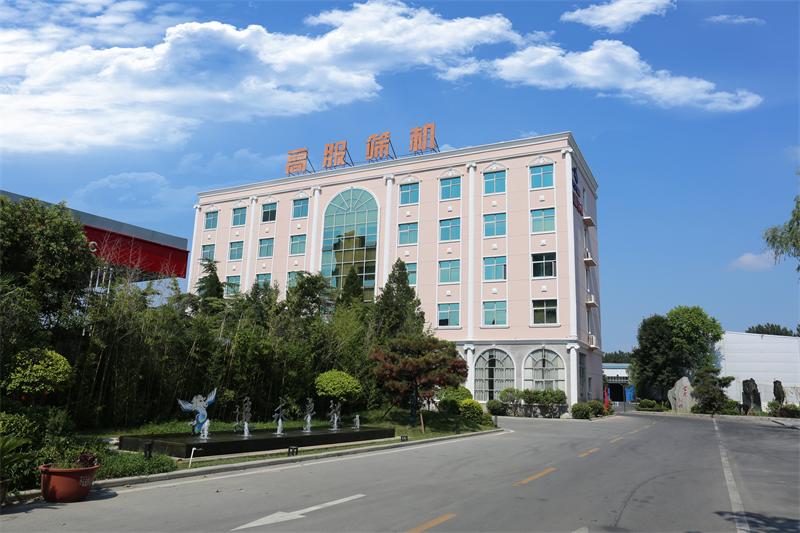
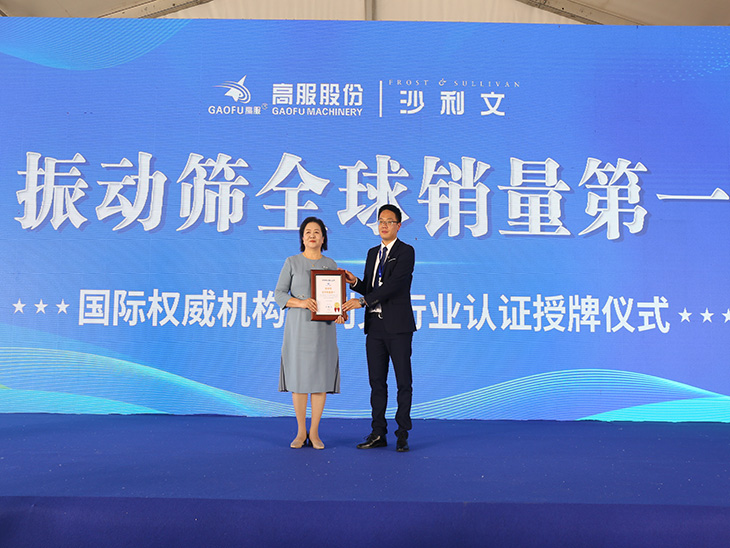
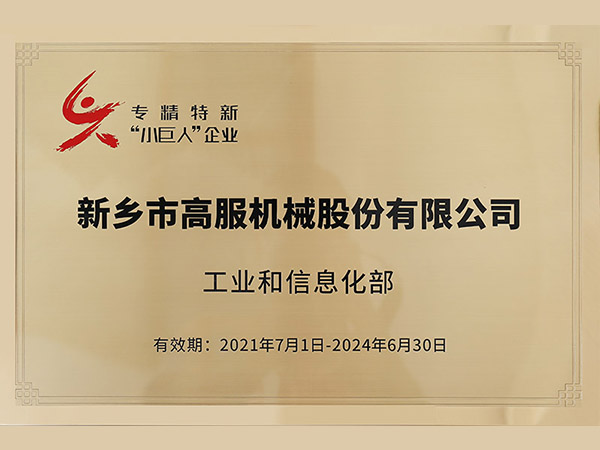
Xinxiang Gaofu Machinery Co., Ltd. has more than 40 years of experience in the research, development, and manufacture of industrial screening equipment, providing integrated solutions for screening, conveying, and automated material handling. Its product range covers rotary vibrating screens, tumbler sieves, ultrasonic vibrating screens, linear vibrating screens, airflow screens, and related conveying, filtration, and coal crushing equipment. These products are used in food, pharmaceutical, chemical, metallurgy, building materials, mining, and other industries.
The company holds ISO 9001 quality management system certification, and CE marking is applied to applicable product series. Gaofu has filed more than 500 patent applications cumulatively and has participated in drafting four national standards. Its products are sold in China and exported to more than 100 countries and regions, including the United States, Australia, Russia, the United Kingdom, Spain, Germany, the Netherlands, Poland, the Philippines, Thailand, Indonesia, and Singapore. Gaofu has served more than 10,000 customers worldwide.