Salt is a food ingredient. Therefore, its screening process must protect purity at every step. Fine salt dust travels easily through the air. Moisture makes this dust stick to equipment surfaces and nearby structures. An open screening area can then become a source of contamination. Gaofu’s tumbler sieve addresses this risk through an enclosed design. This vibrating screen for salt combines gentle tumbling with a sealed screening chamber. As a result, salt processors can support food safety while maintaining reliable output.

Where food safety risks appear in salt screening
Salt screening creates dust. Fine particles become airborne during feeding and discharge. They settle on frames, floors, and nearby equipment. Over time, this dust absorbs moisture and forms deposits. Those deposits can trap foreign matter and support microbial growth. In addition, open screening allows external contaminants to enter the product stream. Examples include airborne dust, cleaning residues, and small foreign objects. Cross-contamination between salt grades is another concern. A line that handles edible salt and industrial salt needs clear separation. An enclosed design helps close these pathways. It contains dust, limits ingress, and supports better cleaning control.
How the enclosed design supports food safety
The tumbler sieve uses a fully enclosed screening chamber. Food-grade silicone gaskets seal the connections between components. Quick-release clamps hold these seals in place under normal operating pressure. Consequently, salt dust stays inside the chamber during operation. External moisture and airborne particles face a physical barrier. A dust extraction port can connect to a central collection system. This feature reduces dust migration in the workplace. It also lowers the risk of dust settling on product-contact surfaces after cleaning. For food salt production, these controls support a cleaner operating environment.
Material selection and surface finish
Food safety also depends on the materials that touch the salt. Gaofu builds product-contact parts from SUS304 or SUS316L stainless steel. SUS316L offers greater resistance to chloride pitting. It often suits sea salt and high-humidity plants. SUS304 remains a practical choice for many edible salt lines. Surface finish receives equal attention. We polish internal surfaces to reduce salt adhesion. In some applications, electropolishing creates a smoother, denser surface. This step limits microscopic sites where residue can remain. Smooth surfaces also simplify cleaning and inspection. Meanwhile, food-grade silicone gaskets resist common cleaning chemicals. They provide a reliable seal without introducing incompatible materials into the process.
Cleaning and changeover control
Cleaning is a core part of food safety. The tumbler sieve uses tool-free quick-release clamps. Operators can open the screening area in minutes. Then they can inspect the mesh, remove residue, and complete dry or wet cleaning. Smooth internal surfaces reduce hidden crevices. The enclosed housing also protects the product from external contamination during reassembly. For plants that switch between salt grades, fast access supports effective changeover cleaning. Operators can verify mesh condition before the next batch. This routine helps reduce cross-contamination risk between edible salt and industrial salt. It also supports consistent product quality across batches.
Protecting equipment and maintaining output
An enclosed design also protects the machine itself. Salt dust can settle on moving parts and accelerate wear. Sealed construction limits dust entry into sensitive areas. As a result, maintenance related to dust buildup can fall. The tumbler sieve’s gentle tumbling motion further reduces crystal breakage. Less breakage means fewer fines and less airborne dust. At the same time, the machine supports one to five screen decks. This layout allows multiple particle-size fractions in one pass. It also reduces material transfer between machines. Consequently, the product faces fewer handling steps and fewer exposure points. These features connect food safety with operational continuity.
Conclusion
Food safety in salt screening requires more than a clean room. It requires equipment that contains dust, blocks external contamination, and supports effective cleaning. Gaofu’s tumbler sieve meets these needs through an enclosed chamber, food-grade seals, stainless steel contact parts, and tool-free access. If you process edible salt, sea salt, lake salt, rock salt, or industrial salt, contact our sales engineering team. Share your salt type, moisture conditions, capacity target, and cleaning regime. We can discuss a suitable tumbler sieve configuration or arrange a material test.
About Gaofu
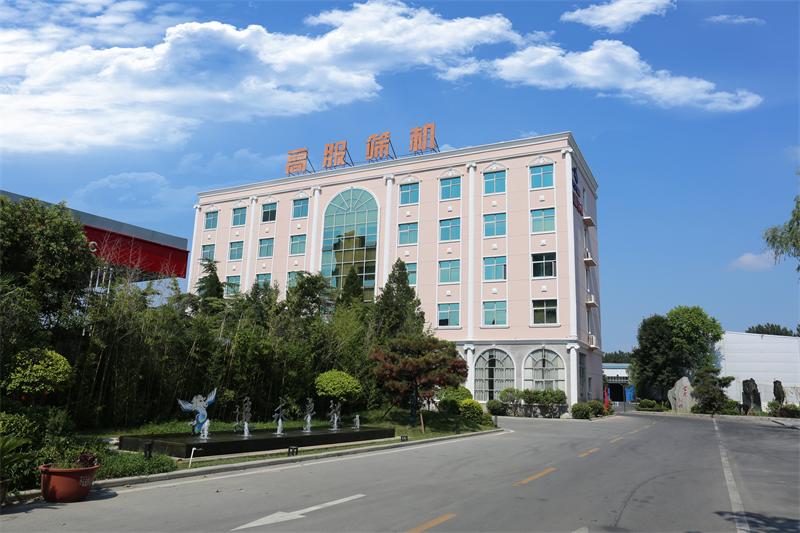
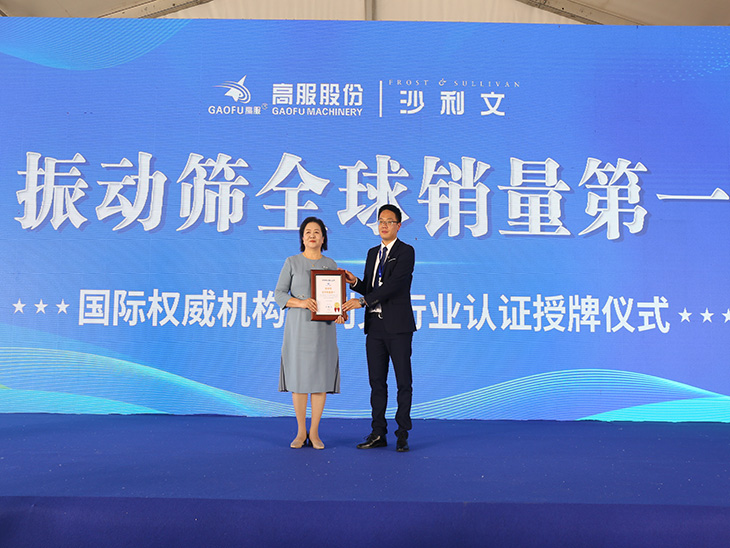
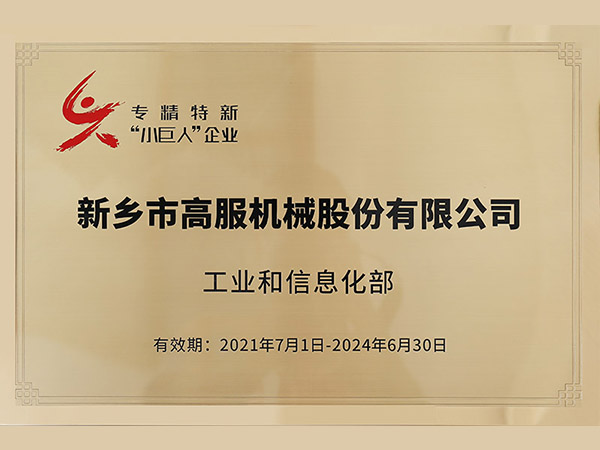
Xinxiang Gaofu Machinery Co., Ltd. has more than 40 years of experience in the research, development, and manufacture of industrial screening equipment, providing integrated solutions for screening, conveying, and automated material handling. Its product range covers rotary vibrating screens, tumbler sieves, ultrasonic vibrating screens, linear vibrating screens, airflow screens, and related conveying, filtration, and coal crushing equipment. These products are used in food, pharmaceutical, chemical, metallurgy, building materials, mining, and other industries.
The company holds ISO 9001 quality management system certification, and CE marking is applied to applicable product series. Gaofu has filed more than 500 patent applications cumulatively and has participated in drafting four national standards. Its products are sold in China and exported to more than 100 countries and regions, including the United States, Australia, Russia, the United Kingdom, Spain, Germany, the Netherlands, Poland, the Philippines, Thailand, Indonesia, and Singapore. Gaofu has served more than 10,000 customers worldwide.