Salt processors face a common choice. They can use a tumbler sieve or a linear vibrating screen. Both machines separate particles. However, they move material in very different ways. Each motion suits different salt grades and production goals. This article compares the two options for salt applications. Gaofu builds both machine types, so we can review the trade-offs without bias.

How tumbler and linear screens move salt
A tumbler sieve generates a three-dimensional tumbling motion. This motion mimics manual sieving. Material spreads, rolls, and glides across the mesh. Eccentric weights on the drive shaft create the movement. Operators can adjust the lead angle and weight settings. As a result, residence time and travel speed respond to different salt types.
A linear vibrating screen uses two vibration motors. These motors drive material forward in a straight line. The motion is direct and fast. Material moves from the inlet to the outlet with little lateral spread. Consequently, linear screens suit high-capacity flow and simple grading tasks.
Effect on salt crystals
Salt crystals vary in strength. Fine table salt is fragile. Coarse rock salt is denser but still prone to chipping. The tumbler sieve runs with low acceleration. Crystals roll rather than jump. Therefore, breakage and fines generation stay lower. Less fines means less dust and less adhesion risk.
A linear screen runs at higher frequency. Material lifts and moves forward in quick steps. This action supports high throughput. Still, it can chip crystal edges and create more fines. For fragile salt grades, that outcome may affect product quality and dust control.
Blinding and sticky salt
Fine salt absorbs moisture. Wet or sticky salt can blind a standard mesh. The tumbler sieve resists blinding through its rolling action. The material bed stays loose and fluid. For difficult grades, bouncing ball systems add extra help. These food-grade balls tap the underside of the mesh and dislodge trapped particles.
A linear screen can also use bouncing balls. However, its forward motion may compact sticky material in some cases. Operators often need to adjust feed rate or add anti-blinding devices. Overall, the tumbler sieve handles sticky fine salt with more margin.
Space, capacity, and layout
Linear screens typically need a longer footprint. They move material in a straight line, so the deck length matters. Tumbler sieves use a round body and vertical motor. This layout saves floor space. Compact plants often benefit from the smaller footprint. However, linear screens can deliver higher capacity per deck in some configurations. The right choice depends on available space and target throughput.
Maintenance and cleaning
Both machine types can use stainless steel contact parts. Gaofu offers SUS304 or SUS316L options for salt applications. Quick-release clamps support tool-free access on both designs. The tumbler sieve’s round body simplifies interior inspection. Its gentle motion also reduces wear on the screen assembly. Linear screens have more moving parts in the drive system. Therefore, they may need more frequent drive maintenance.
Choosing for salt applications
Fine table salt, sea salt, and sticky grades often favor the tumbler sieve. Its gentle motion and anti-blinding options support stable screening. Coarse industrial salt with high capacity needs may favor a linear screen. Yet crystal integrity and dust control still matter. A material test can clarify the best fit. Share your salt sample and operating conditions with our engineering team.
Conclusion
Tumbler and linear screens serve different needs in salt processing. The tumbler sieve prioritizes gentle handling, anti-blinding performance, and compact layout. The linear screen prioritizes direct flow and high capacity. Neither option wins in every case. Gaofu can review your salt type, moisture level, capacity target, and space limits. Contact our sales engineering team to discuss a suitable configuration or arrange a material test.
About Gaofu
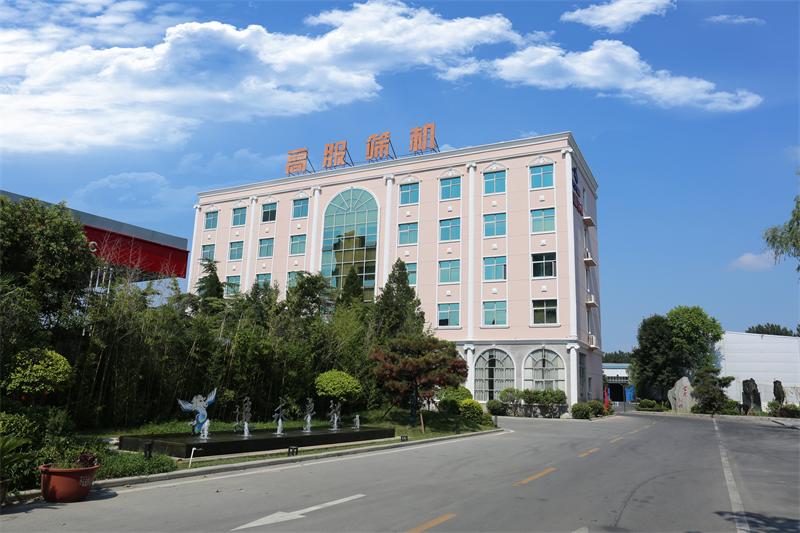
Xinxiang Gaofu Machinery Co., Ltd. has more than 40 years of experience in the research, development, and manufacture of industrial screening equipment, providing integrated solutions for screening, conveying, and automated material handling. Its product range covers rotary vibrating screens, tumbler sieves, ultrasonic vibrating screens, linear vibrating screens, airflow screens, and related conveying, filtration, and coal crushing equipment. These products are used in food, pharmaceutical, chemical, metallurgy, building materials, mining, and other industries.
The company holds ISO 9001 quality management system certification, and CE marking is applied to applicable product series. Gaofu has filed more than 500 patent applications cumulatively and has participated in drafting four national standards. Its products are sold in China and exported to more than 100 countries and regions, including the United States, Australia, Russia, the United Kingdom, Spain, Germany, the Netherlands, Poland, the Philippines, Thailand, Indonesia, and Singapore. Gaofu has served more than 10,000 customers worldwide.