Industrial powder processing involves more than moving materials from one production stage to another. Manufacturers often need to separate particles by size, remove unwanted impurities, and maintain consistent material quality. In these processes, a vibrating screen plays an important role in material classification and separation.
Across industries, powders and granules come in different shapes, sizes, and physical properties. Examples include chemical powders, mineral particles, metal powders, food ingredients, plastic granules, and building materials. Therefore, choosing suitable screening equipment can help manufacturers manage different material requirements and improve production workflows.

1. What Is the Role of a Vibrating Screen?
A vibrating screen uses controlled mechanical vibration to move materials across a screen surface. The screen mesh separates particles according to their size. Smaller particles pass through the openings, while larger particles remain on the screen and move toward the discharge outlet.
In industrial powder processing, this process supports several production tasks:
- Particle classification: Separates materials into different size ranges for further processing.
- Impurity removal: Helps remove oversized particles and unwanted foreign materials.
- Product consistency: Supports more consistent particle size distribution in the finished material.
- Production preparation: Prepares powders and granules for mixing, packaging, conveying, or other processing stages.
Moreover, manufacturers can select different screening configurations according to material characteristics and production requirements. The right equipment depends on factors such as particle size, moisture, density, flowability, and required screening accuracy.
2. Common Industrial Materials for Vibrating Screen Applications
Vibrating screens serve a wide range of powder and granule processing applications. However, each material presents different screening challenges.
Chemical powders and granules
Chemical production often involves pigments, resins, fertilizers, plastic additives, and other powdered or granular materials. Some materials have fine particles, while others may contain moisture or tend to form agglomerates. Suitable screening equipment helps classify these materials and remove oversized particles.
Minerals and metal powders
Mining and metallurgy processes handle mineral powders, metal particles, and other granular materials. In these applications, particle size classification supports downstream processing and material preparation. Equipment selection should consider material density, abrasiveness, and operating conditions.
Food powders and ingredients
Flour, sugar, salt, starch, and food additives often require screening before mixing or packaging. In addition, manufacturers may need to consider contact materials, cleaning access, and dust control when selecting equipment for food production.
Building materials and other industrial products
Cement additives, ceramic powders, sand, and other building materials also use screening processes. Similarly, plastic pellets, recycled granules, and agricultural powders may require particle classification before further production.
As a result, manufacturers should evaluate the properties of each material rather than choose equipment based only on its industry category.
3. Different Types of Vibrating Screens for Powder Processing
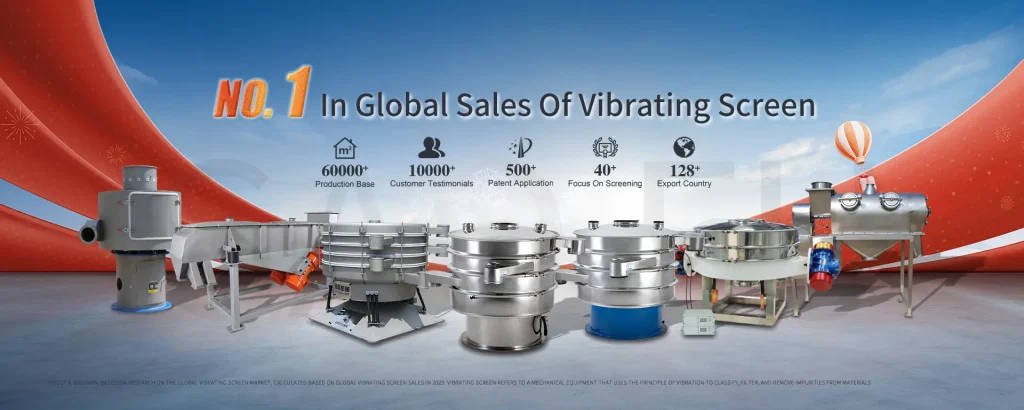
Different screening machines suit different material characteristics and production conditions. Gaofu offers several types of industrial screening equipment for a range of powder and granule applications.
A rotary vibrating screen uses a three-dimensional vibration motion to move materials across the screen surface. It is commonly used for powder classification, granule separation, and impurity removal. Manufacturers can select suitable screen layers and mesh specifications based on their process requirements.
Fine powders can sometimes block screen openings, especially when particles are cohesive or difficult to separate. An ultrasonic vibrating screen applies high-frequency ultrasonic energy to the screen mesh. This system can help reduce mesh blockage and support the screening of certain fine powders.
A linear vibrating screen moves materials along a relatively straight screening path. It is suitable for many granular materials and applications that require classification or separation across different particle sizes. Its configuration can vary according to material flow and production layout.
A tumbler screening machine uses a gentle, rotary-style screening motion. It can suit applications that require careful handling of certain fine powders or granules. The appropriate configuration depends on the material, required separation, and production conditions.
Therefore, selecting a screen type requires an understanding of both the material and the intended screening result.
4. Key Factors When Selecting Industrial Screening Equipment
Before purchasing a vibrating screen, manufacturers should review several technical factors.
Particle size and mesh opening
Mesh size directly affects the particle separation range. A suitable opening depends on the target particle size and the required separation result. In practice, material testing can help determine an appropriate mesh specification.
Material characteristics
Particle shape, bulk density, moisture content, temperature, and flowability can all influence screening behavior. Furthermore, abrasive or corrosive materials may require specific contact materials and equipment designs.
Processing capacity
Manufacturers should consider the expected feed rate and production schedule. However, actual screening capacity depends on multiple factors, including mesh size, material properties, screen area, and operating conditions.
Equipment materials and cleaning
For food, pharmaceutical, and chemical applications, contact material selection deserves careful attention. Stainless steel options may suit certain process requirements. Meanwhile, cleaning access, sealing design, and maintenance procedures should also form part of the evaluation.
Dust control and production integration
Fine powders may generate dust during feeding, screening, and discharge. Accordingly, manufacturers should consider suitable covers, sealing arrangements, and dust collection connections. Equipment dimensions and discharge positions should also match the existing production line.
5. How Gaofu Supports Industrial Powder Screening
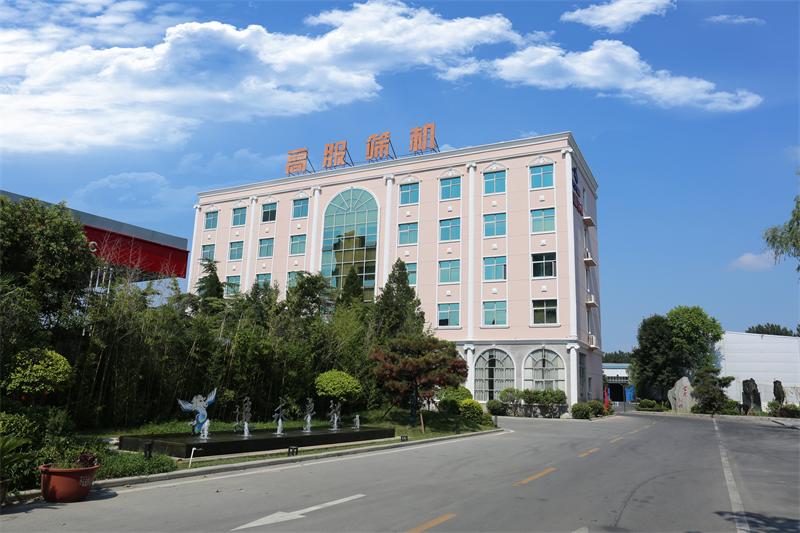
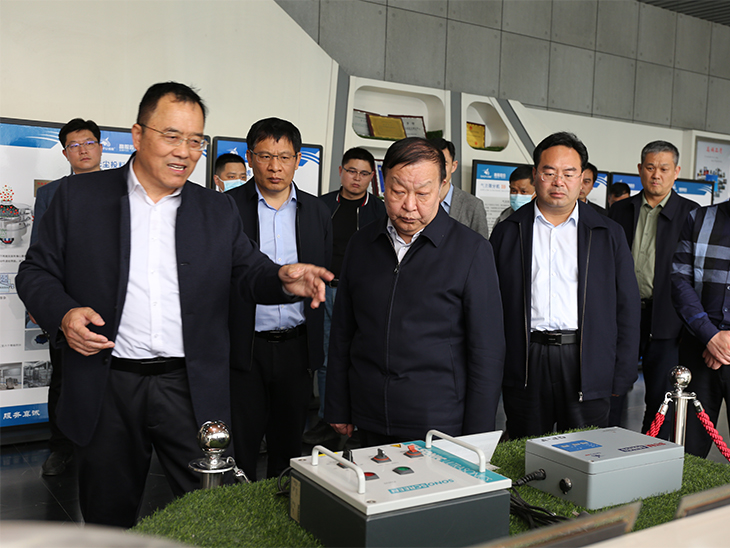
Xinxiang Gaofu Machinery Co., Ltd. has more than 40 years of experience in the research, development, and manufacture of industrial screening equipment. The company provides integrated solutions for screening, conveying, and automated material handling.
Its product range includes rotary vibrating screens, tumbler sieves, ultrasonic vibrating screens, linear vibrating screens, airflow screens, and related conveying, filtration, and coal crushing equipment. These products serve customers in food, pharmaceutical, chemical, metallurgy, building materials, mining, and other industries.
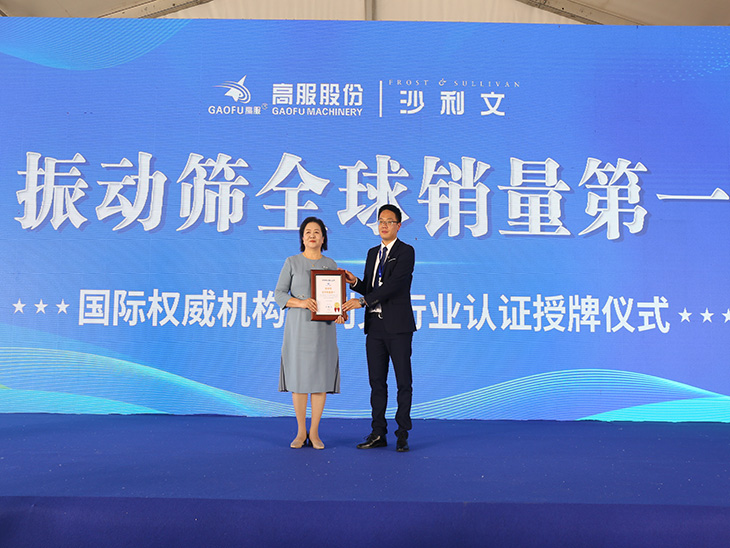
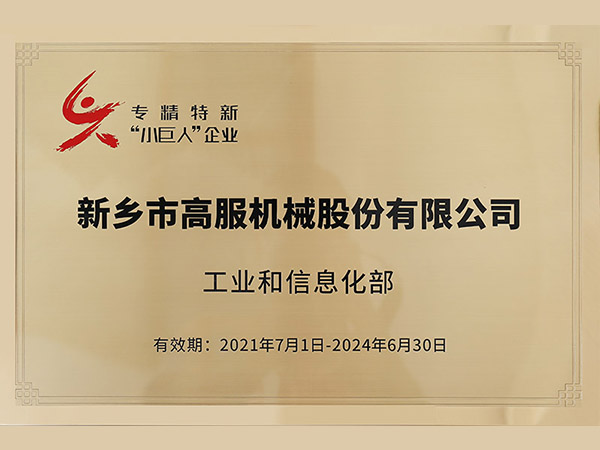
Gaofu holds ISO 9001 quality management system certification, while CE marking applies to relevant product series. The company has filed more than 500 patent applications cumulatively and participated in drafting four national standards.
In addition, Gaofu products are sold in China and exported to more than 100 countries and regions, including the United States, Australia, Russia, the United Kingdom, Spain, Germany, the Netherlands, Poland, the Philippines, Thailand, Indonesia, and Singapore. The company has served more than 10,000 customers worldwide.
For manufacturers processing industrial powders and granules, Gaofu can provide equipment options based on material properties, screening objectives, and production requirements. A clear understanding of the application helps the team evaluate suitable screening configurations.
6. Conclusion
A vibrating screen is an important part of many industrial powder processing lines. It helps manufacturers classify particles, remove oversized material, and prepare powders or granules for subsequent production stages.
However, no single screening machine suits every application. Material properties, mesh specifications, processing capacity, equipment materials, and production layout all influence the selection process.
By evaluating these factors, manufacturers can identify a screening solution that fits their process. Gaofu offers a range of vibrating screen technologies for industrial powder and granule applications across multiple industries.