In food processing, powder screening plays an important role in product preparation and quality control. Materials such as flour, sugar, starch, salt, and food additives often require screening before further processing or packaging. A suitable vibrating screen helps manufacturers separate particles, remove oversized materials, and classify powders according to different size requirements.
However, not all powders share the same physical properties. Some materials flow freely, while others tend to stick together or block screen openings. Therefore, manufacturers need to consider material characteristics, screening requirements, and production conditions when selecting industrial screening equipment.
GAOFU provides various vibrating screen solutions for food powder sieving and other industrial applications. This article explores common screening challenges, equipment options, and important factors to consider when choosing a suitable screening system.
1. Why Is Powder Sieving Important in Food Processing?
Food manufacturers handle a wide range of powder materials during production. Different particle sizes can affect subsequent processing steps, product consistency, and material handling.
For example, flour producers may need to remove unwanted particles before packaging. Sugar manufacturers often require particle classification according to product specifications. Similarly, starch and food additive producers may need screening equipment to separate agglomerated materials.
A suitable vibrating screen supports several important processing tasks:
- Particle classification: Separates powders and granules according to selected mesh sizes.
- Oversized particle removal: Helps remove particles that do not meet the required size range.
- Material purification: Supports the removal of certain unwanted particles, depending on the screening process.
- Production process integration: Connects powder screening with feeding, conveying, and packaging equipment.
- Screening consistency: Provides controlled material separation under suitable operating conditions.
Furthermore, selecting the correct screening equipment helps manufacturers organize their production processes and manage material quality more effectively.
2. Common Challenges in Food Powder Sieving
Different food powders present different screening challenges. Understanding these characteristics helps manufacturers select suitable equipment configurations.
Fine Powder and Mesh Blockage
Fine powders may accumulate around screen openings during operation. This can reduce the effective screening area and affect material flow.
For applications involving fine powders, an ultrasonic vibrating screen may offer a suitable option. Its ultrasonic system introduces additional high-frequency vibration to the screen mesh, helping reduce blockage during screening.
Moisture and Material Agglomeration
Some food powders absorb moisture from the surrounding environment. As a result, particles may stick together and form small agglomerates.
In these situations, manufacturers should consider material moisture, feeding conditions, and appropriate screening configurations. A material test can help evaluate the actual screening behavior.
Different Particle Size Requirements
Food manufacturers often process materials with different particle size specifications. Flour, sugar, salt, and starch may require different mesh openings and screening arrangements.
Therefore, selecting suitable mesh sizes and screening layers is essential for achieving the intended classification results.
3. GAOFU Vibrating Screen Solutions for Different Materials
Different screening applications require different equipment designs. GAOFU offers several types of screening machines to accommodate various powder and granular materials.
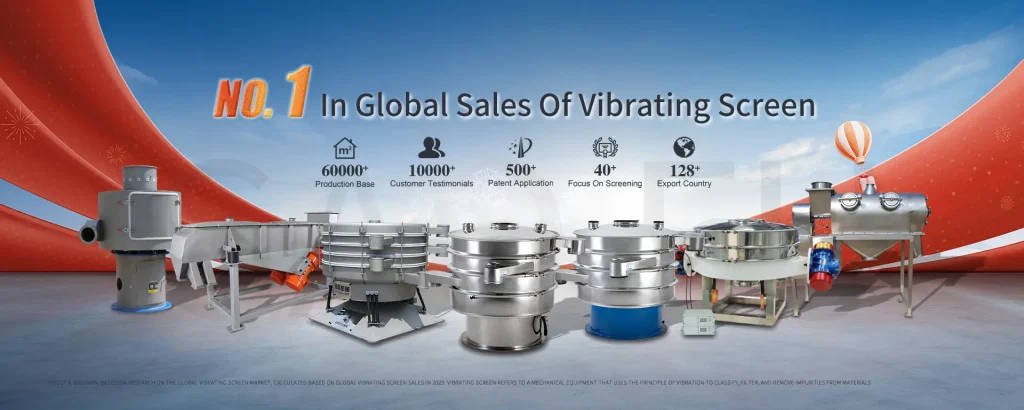
Rotary Vibrating Screen
A rotary vibrating screen uses a vibration motor to generate three-dimensional movement. This motion distributes materials across the screen surface and supports particle separation.
It is commonly used for flour, sugar, salt, starch, food additives, and various chemical powders. Manufacturers can select different screen mesh sizes and equipment materials according to their processing requirements.
For food applications, stainless steel contact parts can be considered based on hygiene requirements and material compatibility.
Ultrasonic Vibrating Screen
Fine powders sometimes create challenges during conventional screening. An ultrasonic vibrating screen combines mechanical vibration with an ultrasonic system.
This configuration helps reduce mesh blockage and supports the screening of fine powders. It may be suitable for applications involving fine chemical powders, pharmaceutical ingredients, and certain food additives.
Linear Vibrating Screen
A linear vibrating screen uses two vibration motors to generate directional movement. Materials move along the screen surface while the machine performs screening and classification.
This design suits various granular and powdered materials. It also serves applications in food processing, chemical manufacturing, metallurgy, and building materials.
Tumbler Screening Machine
A tumbler screening machine uses a rotary screening motion to move materials across the screen surface. Its operating principle provides a longer screening path for suitable applications.
Manufacturers may consider this equipment when processing certain fine powders and granules that require specific screening conditions.
4. How to Choose the Right Vibrating Screen for Food Powder Sieving
Selecting a vibrating screen involves more than comparing equipment dimensions or motor power. Manufacturers should evaluate several factors before making a purchasing decision.
1. Material characteristics
Identify the material type, particle size, moisture content, bulk density, and flowability. These properties influence equipment selection and screening performance.
2. Required mesh size
Determine the target particle size and the number of fractions you need. The mesh opening should match the actual screening objective.
3. Processing capacity
Estimate the required hourly processing volume. Also consider feeding conditions and the available installation space.
4. Contact material
Food processing applications often require suitable stainless steel contact parts. SUS304 and SUS316 are common options, depending on the material and operating environment.
5. Cleaning and maintenance
Consider screen replacement, cleaning access, sealing structures, and routine maintenance requirements. These details can influence daily operation.
In addition, manufacturers should communicate their actual processing conditions to equipment suppliers. Providing material samples can help suppliers evaluate screening suitability before finalizing a machine configuration.
5. Vibrating Screen Applications Beyond the Food Industry
Although food powder sieving represents an important application, vibrating screens also serve many other industries.
- Chemical industry: Screens chemical powders, plastic particles, resin granules, and other industrial materials.
- Pharmaceutical industry: Handles pharmaceutical raw materials and selected powder classification processes.
- Metallurgy: Separates metal powders and related granular materials.
- Building materials: Screens cement additives, mineral powders, sand, and other construction materials.
- Mining industry: Classifies mineral particles and processes different granular materials.
Each industry has its own requirements for equipment materials, screening accuracy, production capacity, and operating conditions. Therefore, manufacturers should select equipment based on the specific characteristics of each application.
6. Why Consider GAOFU for Industrial Screening Equipment?
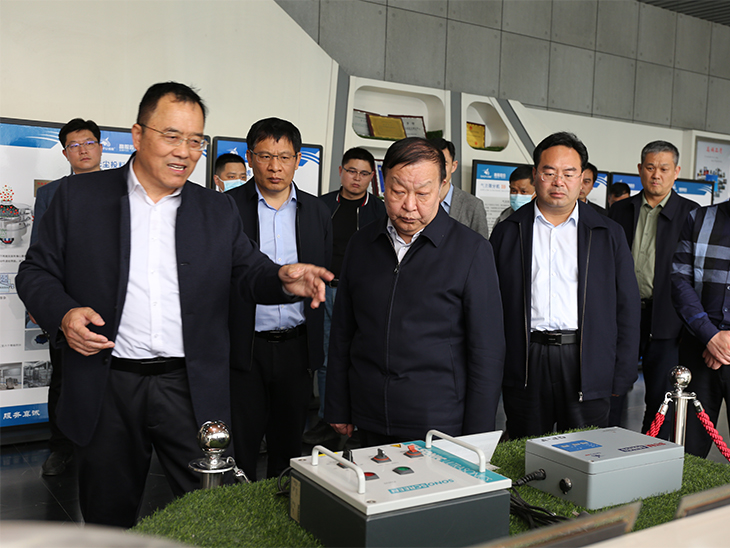
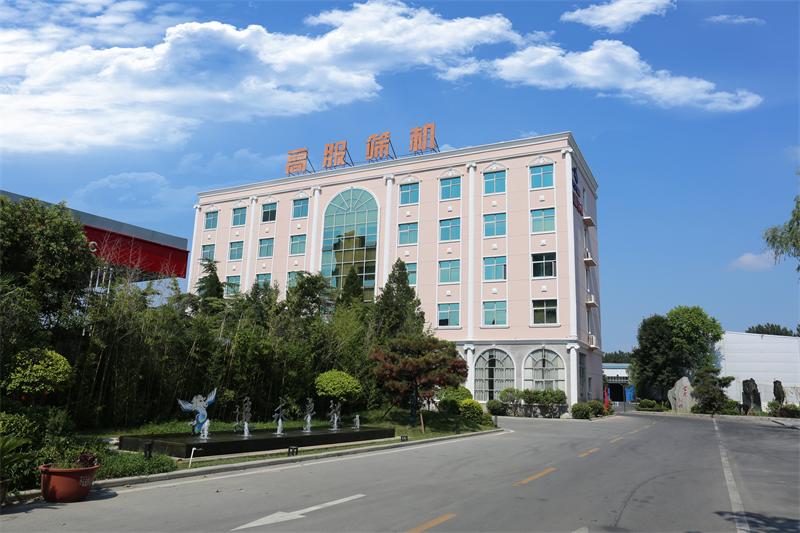
Xinxiang Gaofu Machinery Co., Ltd. has more than 40 years of experience in the research, development, and manufacture of industrial screening equipment.
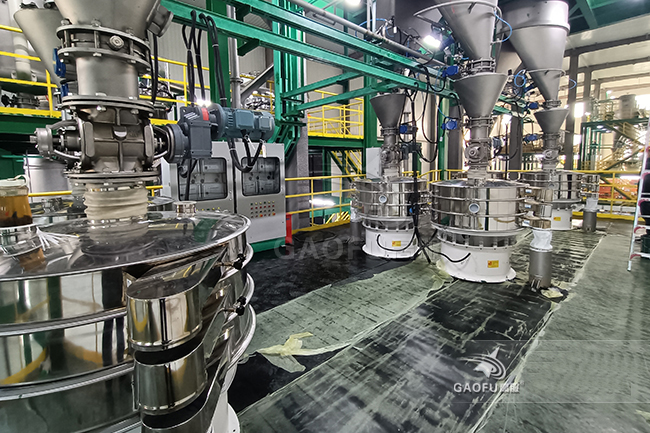
The company provides integrated solutions for screening, conveying, and automated material handling. Its product range includes rotary vibrating screens, tumbler sieves, ultrasonic vibrating screens, linear vibrating screens, airflow screens, and related conveying, filtration, and coal crushing equipment.
GAOFU equipment serves food processing, pharmaceutical, chemical, metallurgy, building materials, mining, and other industries. Its screening machines handle various powder and granular materials according to different production requirements.
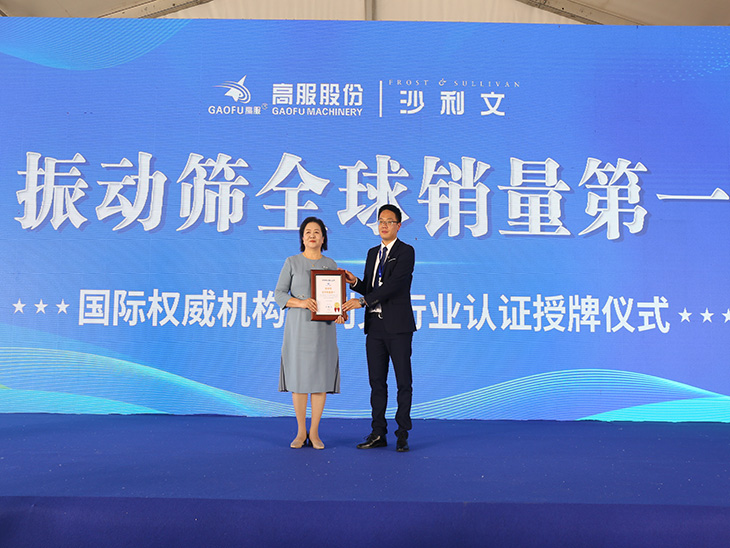
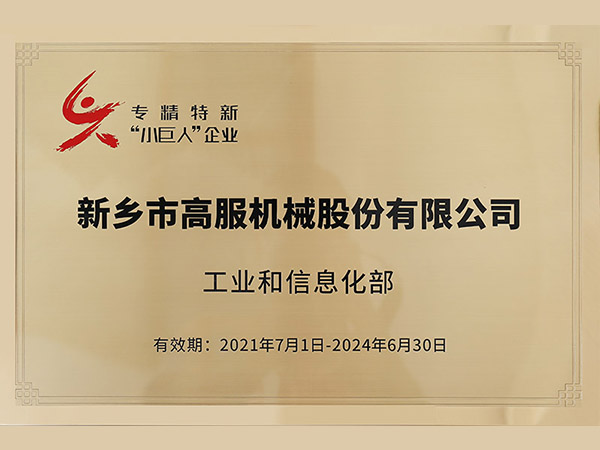
The company holds ISO 9001 quality management system certification, and CE marking applies to applicable product series. In addition, GAOFU has filed more than 500 patent applications cumulatively and participated in drafting four national standards.
Today, GAOFU products are sold in China and exported to more than 100 countries and regions. These markets include the United States, Australia, Russia, the United Kingdom, Spain, Germany, the Netherlands, Poland, the Philippines, Thailand, Indonesia, and Singapore.
GAOFU has served more than 10,000 customers worldwide. With its range of screening equipment and industrial experience, the company provides equipment options for different powder and particle processing applications.
Conclusion
Efficient food powder sieving depends on suitable equipment selection, appropriate mesh specifications, and a clear understanding of material characteristics.
Whether you process flour, sugar, starch, salt, chemical powders, pharmaceutical ingredients, or industrial granules, the right vibrating screen configuration should match your specific production requirements.
GAOFU offers rotary, ultrasonic, linear, and tumbler screening equipment for different industrial applications. Contact the GAOFU team with your material details, required capacity, and screening targets to discuss a suitable screening solution for your production process.
GAOFU – Industrial Screening Equipment and Material Handling Solutions.