An industrial vibrating screen plays an important role in powder and granule processing. Manufacturers use screening equipment to classify particles, remove oversized materials, and separate products into different size ranges. These operations support production in industries such as food, chemicals, pharmaceuticals, plastics, mining, and building materials.
However, purchasing a vibrating screen involves more than comparing equipment prices or machine dimensions. Buyers need to understand their material characteristics, production targets, installation conditions, and maintenance requirements. Careful preparation can help businesses identify equipment that fits their actual processing needs.
1. Understand Your Material Before Choosing Equipment
Material characteristics directly influence screening performance. Therefore, buyers should first identify the material they plan to process.
Different powders and granules behave differently during screening. Flour, sugar, starch, and spice powders may contain fine particles that require suitable mesh openings and feeding conditions. Meanwhile, plastic pellets, rubber granules, and fish feed have different particle shapes and flow characteristics.
In addition, some materials absorb moisture or tend to form agglomerates during storage. Fine chemical powders may also require special attention to dust control and material compatibility. For pharmaceutical ingredients, buyers should consider cleaning procedures and product-contact requirements.
Before contacting a supplier, prepare the following information:
- Material name and basic physical properties
- Approximate particle size distribution
- Moisture content and flow characteristics, if known
- Whether the material tends to stick, clump, or generate dust
- Required screening result and product fractions
With these details, equipment suppliers can evaluate suitable screening structures and configurations more accurately.
2. Define Your Screening Requirements
A clear screening target helps buyers compare different machine configurations. Some production lines only need to remove oversized particles. Others require classification into several particle size ranges.
For example, a flour manufacturer may want to remove coarse particles before packaging. A plastic processing plant may need to separate pellets by size. Similarly, a chemical producer may require multiple grades of powder for different production processes.
Mesh opening is an important selection factor. However, it does not directly guarantee the final particle size or separation accuracy. Particle shape, size distribution, feed rate, screen area, and operating conditions also affect the result.
Therefore, buyers should explain the required output fractions and acceptable screening results. When possible, they can provide material samples for testing. This approach helps suppliers assess whether a proposed screen configuration matches the application.
3. Compare Different Types of Industrial Vibrating Screens
Different vibrating screen designs serve different processing requirements. Understanding their characteristics can help buyers narrow down suitable options.
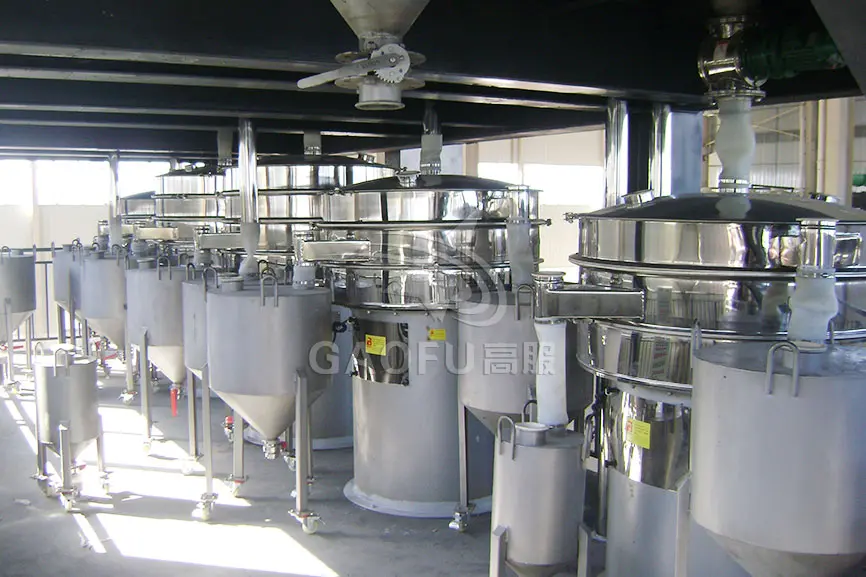
A rotary vibrating screen uses circular motion to move material across the screen surface. It is commonly used for powder screening, particle classification, and impurity removal. Depending on the model, buyers can select different screen diameters and multiple screening layers.
A linear vibrating screen moves materials along a relatively straight path. It can handle selected powder and granule applications, especially when the process requires directional conveying and screening.
An ultrasonic vibrating screen applies high-frequency vibration to the screen mesh. This technology can help reduce mesh blockage when processing suitable fine powders. However, actual results depend on material properties and operating conditions.
A tumbler screening machine uses a screening motion that simulates aspects of manual sieving. It may suit selected applications that require gentle material movement or specific particle classification conditions.
The most suitable design depends on the material, screening target, required capacity, and production layout. Buyers should evaluate actual application needs rather than select a machine based only on its product name.
4. Check Material and Manufacturing Requirements
Equipment materials matter because they affect durability, corrosion resistance, cleaning, and product compatibility.
Food and pharmaceutical manufacturers often consider stainless steel for product-contact components. However, stainless steel alone does not guarantee compliance with every hygiene or industry standard. Buyers should confirm the required material grade, surface finish, weld quality, and cleaning arrangements.
For chemical applications, material compatibility deserves particular attention. Certain powders may have corrosive properties or require specific contact materials. In addition, manufacturers should discuss dust collection and sealing arrangements when the process involves fine or dusty materials.
For combustible dust applications, buyers need a project-specific risk assessment and appropriate safety measures. They should confirm the equipment's actual configuration and applicable certifications. Standard vibrating screen equipment should not automatically be considered explosion-proof.
5. Evaluate Capacity and Production Line Compatibility
Required capacity is one of the most important purchasing considerations. However, the actual throughput depends on more than the machine model or screen diameter.
Material density, particle size, moisture, feed distribution, mesh opening, and the number of screening layers can all influence processing capacity. Therefore, buyers should provide realistic production targets and discuss the operating conditions with the equipment supplier.
Furthermore, consider how the vibrating screen connects with upstream and downstream equipment. Feeding conveyors, storage hoppers, dust collection systems, and discharge equipment may affect the overall layout.
A suitable screening machine should fit the production line's material flow and available installation space. Buyers should also confirm power supply, machine dimensions, inlet and outlet positions, and connection requirements before placing an order.
6. Consider Cleaning, Maintenance, and Spare Parts
Maintenance requirements can influence long-term operating costs. Before purchasing, ask how operators can access the screen mesh, inspect internal components, and replace wearing parts.
For food and pharmaceutical applications, cleaning procedures deserve special attention. Buyers should confirm whether the equipment structure supports the required cleaning method and whether operators can inspect product-contact areas.
In addition, discuss the availability of screen meshes, seals, motors, and other replacement parts. Clear maintenance instructions and accessible technical support can help production teams plan routine service.
7. Evaluate the Supplier Before Placing an Order
A suitable supplier should understand the application, not simply recommend a standard machine. Buyers can assess a manufacturer through its product range, engineering experience, technical communication, and ability to provide application-specific advice.
Ask the supplier whether it can review material samples, discuss screening parameters, and explain the proposed equipment configuration. Also, confirm the scope of supply, delivery arrangements, documentation, warranty terms, and after-sales support before finalizing the purchase.
Moreover, check whether the supplier can provide relevant product drawings and technical specifications. These documents help purchasing teams compare proposals and coordinate installation with their production facilities.
8. About Gaofu
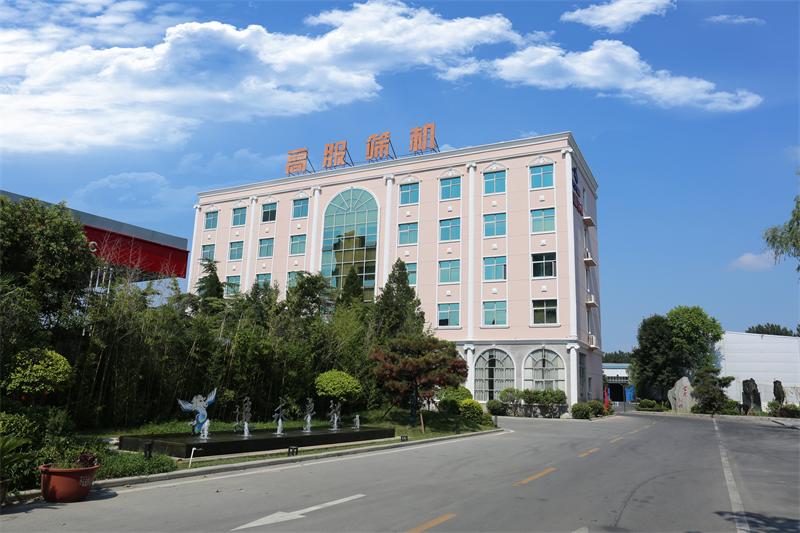
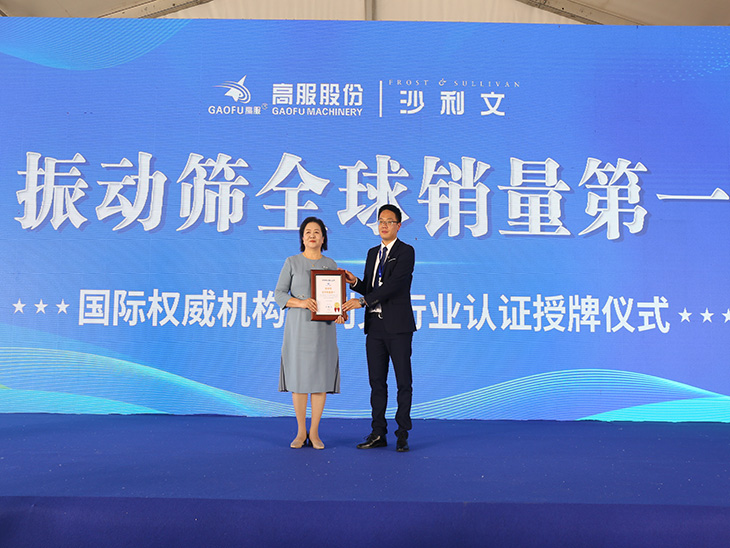
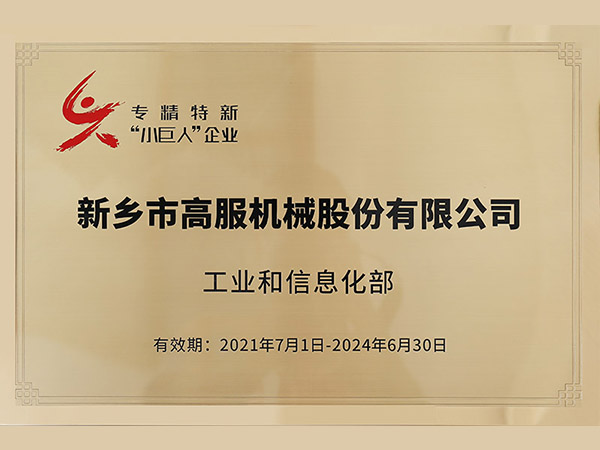
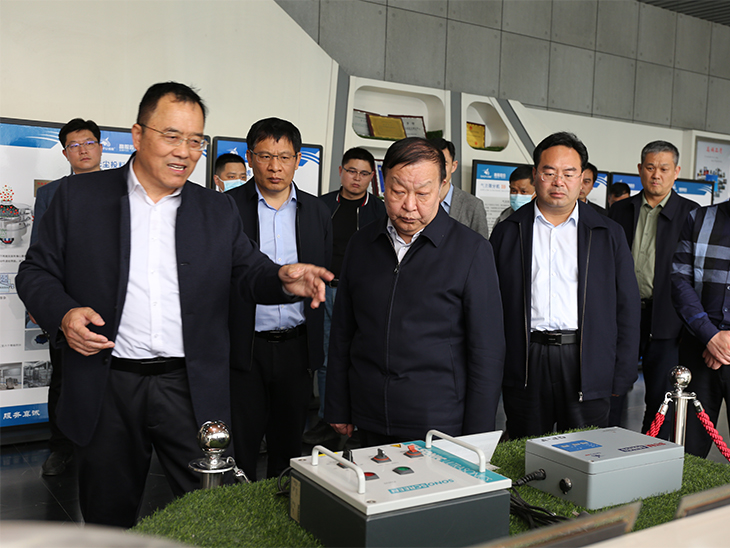
Xinxiang Gaofu Machinery Co., Ltd. has more than 40 years of experience in the research, development, and manufacture of industrial screening equipment. The company provides integrated solutions for screening, conveying, and automated material handling.
Its product range includes rotary vibrating screens, tumbler sieves, ultrasonic vibrating screens, linear vibrating screens, airflow screens, and related conveying, filtration, and coal crushing equipment. These products serve customers in food, pharmaceutical, chemical, metallurgy, building materials, mining, and other industries.
Gaofu holds ISO 9001 quality management system certification, and CE marking applies to relevant product series. The company has filed more than 500 patent applications cumulatively and participated in drafting four national standards.
Its products reach customers in China and more than 100 countries and regions, including the United States, Australia, Russia, the United Kingdom, Spain, Germany, the Netherlands, Poland, the Philippines, Thailand, Indonesia, and Singapore. Gaofu has served more than 10,000 customers worldwide.
For buyers considering an industrial vibrating screen, Gaofu can discuss equipment options according to material properties, screening targets, capacity requirements, and production conditions.
Conclusion
Purchasing an industrial vibrating screen requires a clear understanding of both the material and the production process. Buyers should compare screening requirements, machine types, contact materials, capacity, maintenance needs, and supplier support before making a decision.
By preparing material details and defining practical screening targets, businesses can communicate more effectively with equipment manufacturers. This process helps identify a vibrating screen configuration that suits the intended application and production environment.
If you are planning to purchase an industrial vibrating screen, share your material name, particle size range, required capacity, and any special processing requirements with the Gaofu team. These details can support a more focused equipment recommendation.