
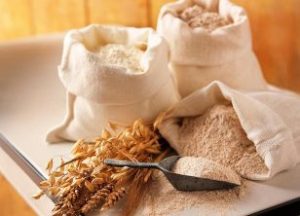
With the development of society and the improvement of people’s living standards, the public’s food safety and hygiene requirements are getting higher and higher. The major food enterprises control the food safety from the source of food production. Before the flour feed into the dough mixer, it is need safety protection screening, to prevent foreign matter into the next process, and ultimately cause food safety problems, causing consumer complaints.
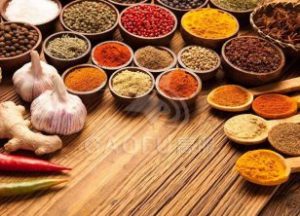
Condiments mainly refers to vanilla and spices. Vanilla is a variety of plant leaves. They can be fresh, air-dried or ground. Spices are plant seeds, buds, fruits, flowers, bark and roots. Spice flavor is much stronger than vanilla. In some cases, a plant can be used both for the production of herbs and spices. Some condiments are made from a mixture of spices (eg, paprika) or a mixture of herbs (eg, flavored bags). It is widely used in the diet, cooking and food processing, it is used to improve the taste of food and has the functions of removing fishy, removing gall, greasy, fragrant and adding freshness. Refers to the food can increase the color, smell, taste, appetite, beneficial to human health auxiliary food. Its main function is to enhance the quality of dishes, to meet the sensory needs of consumers, thereby stimulating appetite and enhance human health. In a broad sense, condiments include salty, sour, sweeteners, flavorings and flavors, such as salt, soy sauce, vinegar, monosodium glutamate, sugar, star anise, fennel, pepper, mustard all belong to this category.
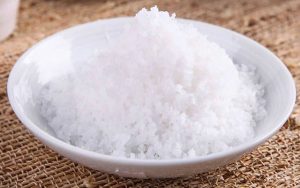
Types of salt Solar salt Feed salt Industrial salt Instant Sea Crystal Snow-melting salt Refined salt Salt process flow sea saltIt is crystallized in sea…

Food additive is a synthetic or natural substance added to food to improve the quality of food color, aroma, taste, and the needs of anticorrosion and processing. At present, there are 23 categories of food additives in China, including more than 2000 varieties, including acidity regulator, anticorrosive agent, defoamer, antioxidant, bleaching agent, puffing agent, coloring agent, color protecting agent, enzyme preparation, flavoring agent, nutritional fortifier, antiseptic, sweetener, thickener, aroma and so on.
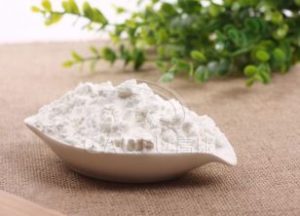
Corn starch is a processed product of corn kernels, which is a product obtained by grinding corn kernels with coarse and fine particles and separating by-products such as germ, fiber and protein. Corn starch is widely used and rich in downstream products. It mainly involves seven industries including starch sugar, beer, medicine, paper making, chemical industry, food processing and modified starch. The consumption of starchy starch accounts for 55% of the consumption of corn starch. Followed by beer (about 10%), medicine (about 8%), paper and chemicals (about 7% respectively), food processing (about 6%) and modified starch (about 5%). Corn starch is a processed product of corn kernels, which is a product obtained by grinding corn kernels with coarse and fine particles and separating by-products such as germ, fiber and protein. Corn starch is widely used and rich in downstream products. It mainly involves seven industries including starch sugar, beer, medicine, paper making, chemical industry, food processing and modified starch. The consumption of starchy starch accounts for 55% of the consumption of corn starch. Followed by beer (about 10%), medicine (about 8%), paper and chemicals (about 7% respectively), food processing (about 6%) and modified starch (about 5%).
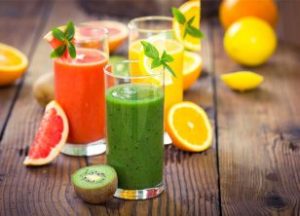
For consumers, the berry contained in the fruit juice not only enjoy the taste, but also bring a visual impact, how does it can produce better results? The uniformity of berry size affects consumer taste directly.
Jam: The brand jams we eat that should be screened, the jams is difficult to screen because the high viscosity, classic customers: Moodly food.
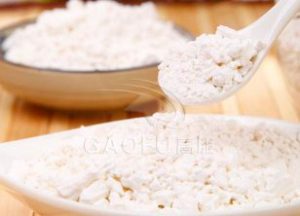
Starch is a polymer of glucose molecules, which is the most common form of storage of carbohydrates in cells. Starch in the restaurant industry, also known as powder, hydrolysis to disaccharide phase of maltose, completely hydrolyzed monosaccharide (glucose). Starch is a nutrient that is stored in plants and stored in seeds and tubers. Starch content is high in all kinds of plants. Starch can be considered as a high polymer of glucose. Starch in addition to food, the industry for the system of dextrin, maltose, glucose, alcohol, etc., It is also used in the preparation of printing paste, textile sizing, paper sizing, drug tablet compression. By corn, sweet potatoes, wild aconite and pueraria and other substances derived from starch.
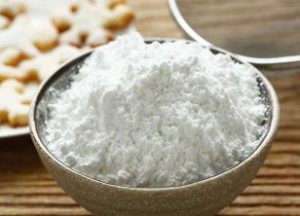
A sweetener is a food additive that imparts sweetness to a soft drink. According to the nutritional value, sweeteners can be divided into nutritive sweeteners (sucrose, glucose, fructose) and non-nutritive sweeteners; according to their sweetness, they can be divided into low-sweet sweeteners and high-sweet sweeteners. According to its source, it can be divided into natural sweeteners (xylitol, sorbitol, mangosteen powder, stevia, maltitol) and synthetic sweeteners (saccharin, sodium saccharin, aspartame).
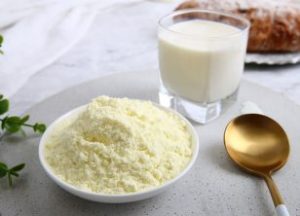
Milk powder is made from fresh milk or goat milk, which is processed by freezing or heating to remove almost all the water in the milk, and adding appropriate amount of vitamins and minerals after drying.
