Salt processors often need several particle-size fractions. Table salt, industrial salt, and specialty grades may run on the same line. Each grade needs a specific cut. Running separate screens for each fraction adds handling and cost. A multi-deck tumbler sieve addresses this issue. Gaofu Machinery builds this vibrating screen for salt applications. The machine separates salt into multiple fractions in one pass. As a result, processors can reduce material transfers and improve line efficiency.

Why multi-fraction separation matters
Salt buyers specify different particle sizes. Food salt may need a narrow range. Industrial salt may need a coarser cut. Specialty salt may need several fractions at once. Separate screening steps increase dust exposure and handling damage. They also take more floor space. In addition, repeated transfers raise contamination risk. A multi-deck screen solves these problems. It creates clear fractions in a single run. Therefore, the line stays compact and product quality stays stable.
How the tumbler sieve handles multiple fractions
The tumbler sieve uses a vertical motor with eccentric weights. This layout creates a gentle, three-dimensional tumbling action. Material spreads, rolls, and glides across each deck. It does not bounce at high frequency. Consequently, crystals experience less impact. The machine can carry one to five screen decks. First, the top deck removes oversize particles. Next, middle decks collect target fractions. Finally, the bottom deck captures fine dust. In practice, this layout creates several cuts in one pass. Operators can adjust weights and lead angle for different salt grades.
Deck configurations for salt lines
Deck configuration depends on the product mix. A two-deck setup may suit basic coarse and fine separation. A three-deck setup can produce three fractions for blending or packing. For specialty salts, four or five decks may be useful. Gaofu reviews the target sizes and capacity before recommending a layout. Quick-release clamps allow fast screen changes. Therefore, one machine can serve different orders. The frame design supports stable mesh tension. Stable tension means a stable cut point across decks.
Anti-blinding support for sticky salt
Moist salt can blind any deck. Blinding reduces open area and shifts the cut point. It also forces manual cleaning. The tumbler sieve resists blinding through continuous rolling action. The material bed stays loose and fluid. For difficult grades, bouncing ball systems add extra help. Food-grade silicone balls tap the underside of the mesh. They dislodge trapped particles automatically. As a result, each deck stays clear for longer runs. Stable open area supports stable multi-fraction separation.
Hygienic construction and easy cleaning
Food and industrial salt lines need hygienic equipment. Gaofu uses SUS304 or SUS316L stainless steel for product-contact parts. SUS316L offers greater resistance to chloride pitting. It often suits sea salt and high-humidity plants. SUS304 remains a practical choice for many salt lines. Internal surfaces receive a polished finish. This finish reduces salt adhesion. Quick-release clamps allow tool-free access. Operators can inspect each deck and clean the interior in minutes. The enclosed housing also contains dust. A dust extraction port can connect to a central collection system. These features support cross-contamination control between grades.
Practical settings and quality checks
Different salts need different settings. Coarse rock salt may need a stronger motion. Fine table salt may need a softer setting. Operators should record the weight setting, lead angle, and deck arrangement for each product. This record supports repeatable results. In addition, sample each fraction at regular intervals. Check the particle-size distribution against the target range. Review mesh tension and seal condition during each shift. Worn or loose mesh can change the cut point. A material test before purchase can clarify the right configuration.
Conclusion
Multi-fraction separation in one pass reduces handling, dust exposure, and floor space. Gaofu’s tumbler sieve combines multi-deck screening, gentle tumbling, anti-blinding support, and hygienic construction. If your salt line handles several grades, contact our sales engineering team. Share your salt types, target fractions, moisture level, and capacity. We can discuss a suitable tumbler sieve configuration or arrange a material test.
About Gaofu
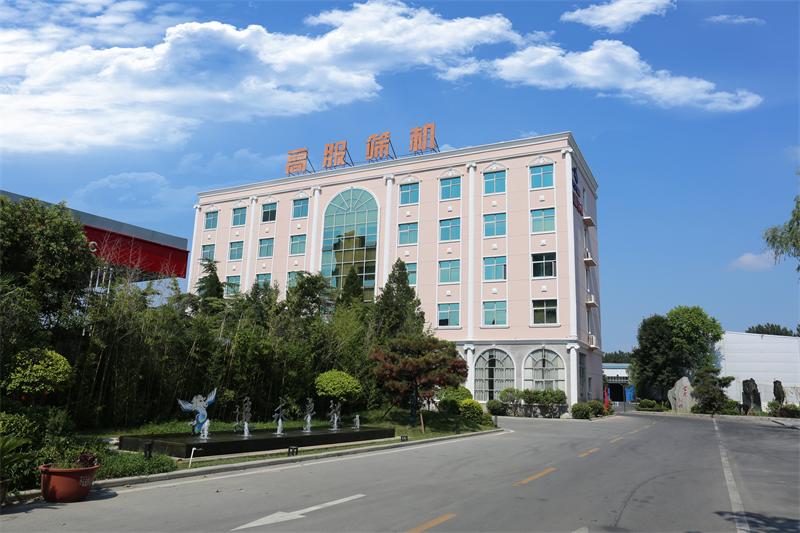
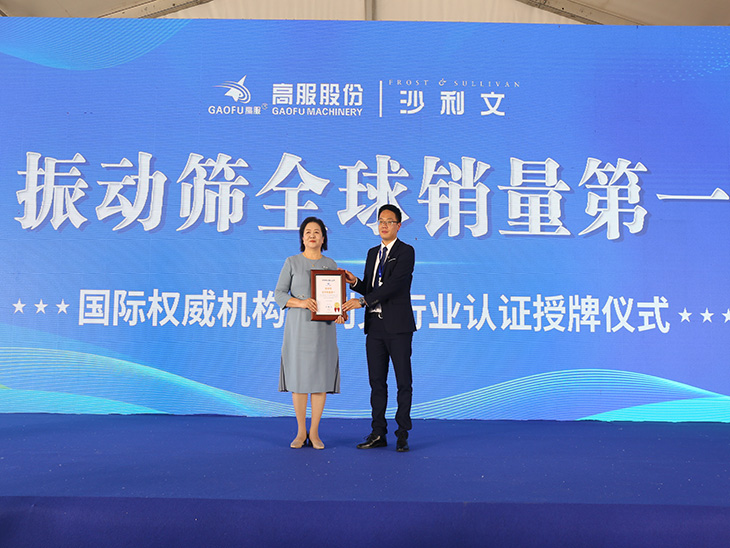
Xinxiang Gaofu Machinery Co., Ltd. has more than 40 years of experience in the research, development, and manufacture of industrial screening equipment, providing integrated solutions for screening, conveying, and automated material handling. Its product range covers rotary vibrating screens, tumbler sieves, ultrasonic vibrating screens, linear vibrating screens, airflow screens, and related conveying, filtration, and coal crushing equipment. These products are used in food, pharmaceutical, chemical, metallurgy, building materials, mining, and other industries.
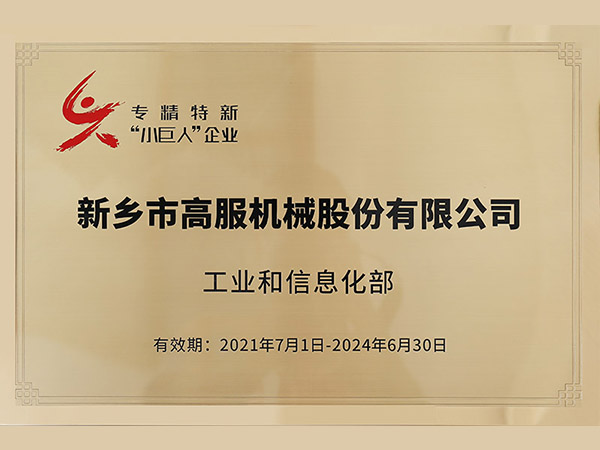
The company holds ISO 9001 quality management system certification, and CE marking is applied to applicable product series. Gaofu has filed more than 500 patent applications cumulatively and has participated in drafting four national standards. Its products are sold in China and exported to more than 100 countries and regions, including the United States, Australia, Russia, the United Kingdom, Spain, Germany, the Netherlands, Poland, the Philippines, Thailand, Indonesia, and Singapore. Gaofu has served more than 10,000 customers worldwide.