Powder and granule processors face a wide range of screening duties. Each duty places different demands on motion, capacity, and hygiene. Therefore, no single screen design fits every application. This article reviews the main vibrating screen designs used in powder and granule processing. We explain how each design works and where it fits best.
Rotary vibrating screens for general powder duties
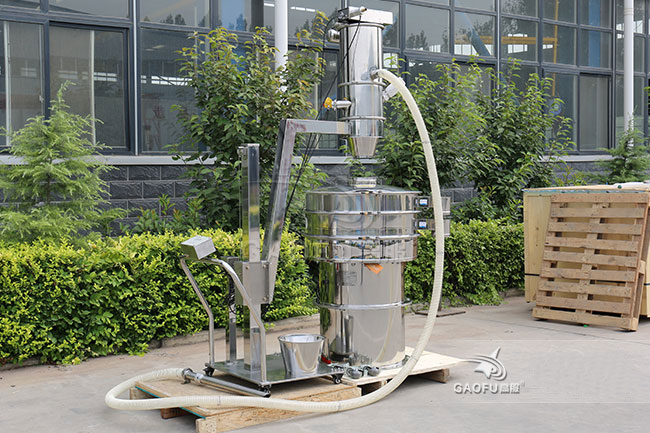
First, consider the rotary vibrating screen. A vertical motor drives eccentric weights at both ends. These weights create a gentle, three-dimensional motion. Material spreads, rolls, and glides across the mesh. It does not bounce at high frequency. As a result, the screen preserves particle shape and supports a stable cut point. Operators can adjust the weights for different powders. A softer setting suits fine powders. A stronger setting handles free-flowing granules. This design fits many food, chemical, and pharmaceutical powders. It also offers a compact footprint.
Ultrasonic vibrating screens for fine and sticky powders
Next, review the ultrasonic vibrating screen. This design adds high-frequency micro-vibration to the mesh. The added vibration helps fine particles pass through the openings. It also reduces blinding and static adhesion. Therefore, this design suits very fine powders and materials prone to clogging. Examples include fine chemicals, metal powders, and specialty food powders. The ultrasonic system works alongside the main motion. Operators can adjust the ultrasonic output for different materials. In practice, this design supports longer runs with fewer cleaning stops.
Linear vibrating screens for high-capacity flow
Then, consider the linear vibrating screen. Two vibration motors drive material forward in a straight line. The motion is direct and fast. Material moves from inlet to outlet with little lateral spread. Consequently, linear screens suit high-capacity flow and simple grading tasks. They often serve mineral, chemical, and building material powders. The long deck supports steady travel. However, the design needs more floor space than a round screen. Therefore, layout planning matters.
Tumbler sieves for fragile and abrasive granules
Another option is the tumbler sieve. This design mimics manual sieving. A gentle tumbling motion moves material across the mesh. Crystals and granules experience low impact. As a result, the design protects fragile particles and reduces fines. It also handles abrasive materials with less wear. Tumbler sieves often serve salt, sugar, and specialty granules. Operators can adjust the lead angle and weights. These settings control residence time and travel speed. In practice, this design supports gentle handling and stable separation.
Airflow screens for very fine classification
Finally, review the airflow screen. This design uses an air stream to disperse and carry powder through the mesh. The air helps separate fine particles and reduces agglomeration. Therefore, airflow screens suit very fine powders and precise classification. They often serve toners, fine chemicals, and pharmaceutical powders. The enclosed design supports dust control. However, airflow screens need a suitable air supply and collection system. Therefore, plant utilities matter during selection.
How to choose the right design
Selection starts with the powder properties. First, review particle size, moisture, and flow behavior. Next, define the target cut and capacity. Then consider available space and cleaning needs. Also review hygiene and material compatibility. A material test can clarify the best design. Share a representative sample with the supplier. This step helps confirm performance before production.
Conclusion
Different vibrating screen designs serve different powder and granule duties. Rotary screens handle general powders. Ultrasonic screens support fine and sticky materials. Linear screens serve high-capacity flow. Tumbler sieves protect fragile granules. Airflow screens support very fine classification. Gaofu Machinery provides these designs for powder and granular materials. Contact our sales engineering team to discuss your application or arrange a material test.
About Gaofu
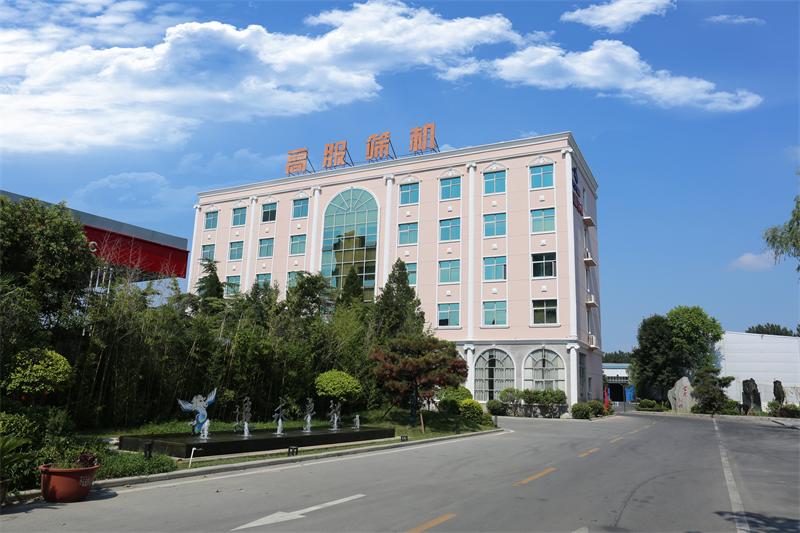
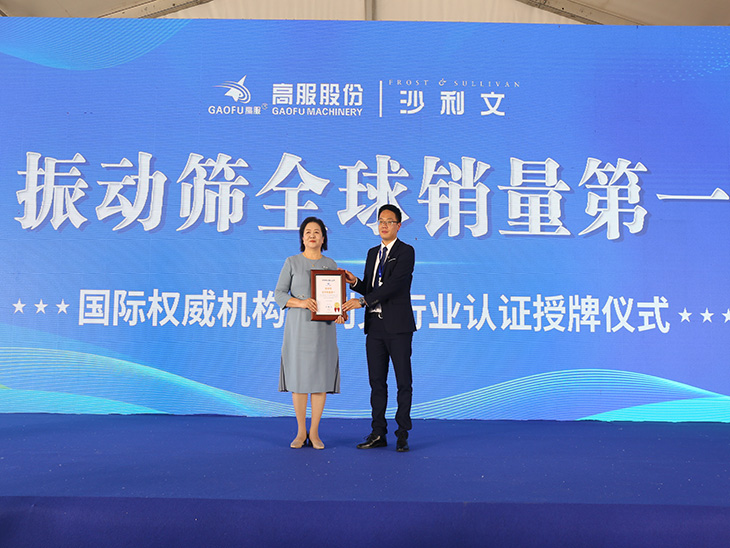
Xinxiang Gaofu Machinery Co., Ltd. has more than 40 years of experience in the research, development, and manufacture of industrial screening equipment, providing integrated solutions for screening, conveying, and automated material handling. Its product range covers rotary vibrating screens, tumbler sieves, ultrasonic vibrating screens, linear vibrating screens, airflow screens, and related conveying, filtration, and coal crushing equipment. These products are used in food, pharmaceutical, chemical, metallurgy, building materials, mining, and other industries.
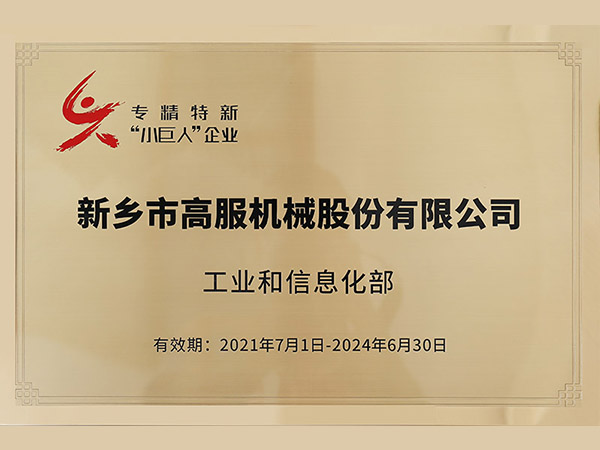
The company holds ISO 9001 quality management system certification, and CE marking is applied to applicable product series. Gaofu has filed more than 500 patent applications cumulatively and has participated in drafting four national standards. Its products are sold in China and exported to more than 100 countries and regions, including the United States, Australia, Russia, the United Kingdom, Spain, Germany, the Netherlands, Poland, the Philippines, Thailand, Indonesia, and Singapore. Gaofu has served more than 10,000 customers worldwide.