Traditional Chinese medicine (TCM) powder is used in various pharmaceutical and herbal product manufacturing processes. During production, powdered materials may contain coarse particles, fibrous fragments, or small agglomerates. These unwanted materials can affect the consistency of subsequent processing steps. Therefore, an appropriate screening process is an important part of powder handling.
A vibrating sieve provides a practical way to separate particles according to their size. For traditional Chinese medicine powder applications, a rotary vibrating sieve can help remove oversized particles and classify materials into different size ranges. GAOFU Machinery offers rotary vibrating screen solutions for industrial powder and granule screening, with configurations selected according to material properties and production requirements.
Why Is Screening Important for Traditional Chinese Medicine Powder?
Traditional Chinese medicine powders can vary considerably in their physical characteristics. Different herbal ingredients may have different particle shapes, fiber contents, moisture levels, and flow properties. For example, powders made from roots and rhizomes may contain fibrous fragments, while leaf-based powders can have irregular particle shapes.
As a result, the screening process should account for more than the nominal particle size. Material condition, feed rate, mesh opening, and screening time can all influence separation results.
In general, screening can support several production objectives:
- Removing oversized particles: Separating coarse fragments and agglomerates from qualified powder.
- Particle classification: Dividing powder into different size ranges when multiple screening fractions are required.
- Improving process consistency: Helping maintain a more uniform feed for downstream production stages.
- Protecting subsequent equipment: Reducing the amount of unwanted coarse material entering certain processing operations.
Furthermore, a suitable screening process can help manufacturers manage material quality more consistently. The actual results depend on the characteristics of each herbal powder and the selected operating conditions.
How Does a Rotary Vibrating Sieve Work?
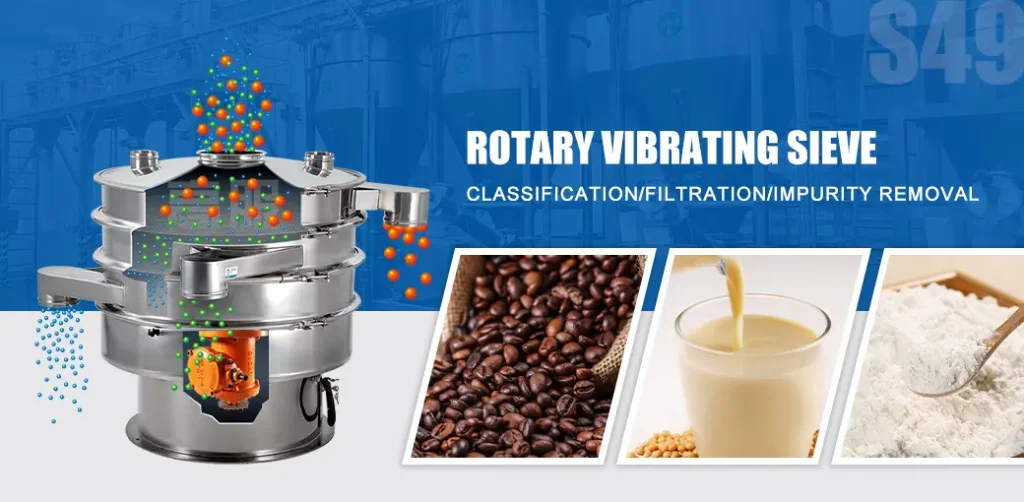
A rotary vibrating sieve uses a vibration motor to generate a three-dimensional motion. This movement helps spread material across the screen surface and promotes particle movement toward the discharge outlets.
During operation, the powder enters the screening machine through the feed inlet. Suitable particles pass through the mesh openings, while larger particles remain on the screen surface and move toward the oversize discharge outlet.
Moreover, a rotary vibrating sieve can be configured with multiple screen layers. This arrangement allows the machine to separate material into several particle size fractions in one screening process, depending on the required classification stages.
For traditional Chinese medicine powder, the screen mesh opening should be selected according to the target separation requirements. It is important to understand that mesh opening does not automatically equal the final particle size or guarantee a specific separation precision. Particle shape, moisture, flowability, and screen condition also influence the result.
Key Considerations When Selecting a Vibrating Sieve for Herbal Powder
Choosing a suitable vibrating sieve requires an understanding of the material and the production process. Before selecting equipment, manufacturers should evaluate several factors.
1. Powder Characteristics
First, identify the type of herbal powder and its physical properties. Fiber content, particle shape, moisture, and tendency to form agglomerates can affect screening behavior. Materials with high fiber content or irregular particles may require additional screening tests.
2. Required Mesh Opening
Next, define the target particle size range and the separation purpose. A finer mesh may be needed for fine powder classification, but smaller openings can also reduce the available screening area and increase the possibility of mesh blockage. Therefore, mesh selection should balance separation requirements and material flow.
3. Processing Capacity
The required processing capacity is another important factor. Feed rate, screen diameter, number of layers, material characteristics, and operating conditions all influence actual output. Manufacturers should provide the expected hourly capacity when requesting an equipment recommendation.
4. Screen Cleaning and Maintenance
In addition, screen cleaning should be considered, especially when different herbal materials are processed on the same production line. Screen replacement, internal accessibility, and cleaning procedures can affect equipment maintenance and production changeovers.
5. Dust Control and Production Environment
Fine herbal powders may generate dust during feeding and screening. Depending on the material and production environment, a suitable dust collection or enclosed conveying arrangement may be required. If the powder presents a combustible dust risk, the project should include a specific risk assessment and applicable safety measures.
When Is an Ultrasonic System Worth Considering?
Some fine powders may accumulate on the mesh or block screen openings during operation. This can reduce the effective open area and affect screening performance.
For suitable fine powder applications, an ultrasonic screening system can apply high-frequency vibration to the screen mesh. This may help reduce particle adhesion and mesh blockage under appropriate operating conditions.
However, ultrasonic assistance is not necessary for every herbal powder. Its suitability depends on particle characteristics, mesh specifications, and the actual screening objective. A material test can help determine whether this configuration is appropriate.
About GAOFU
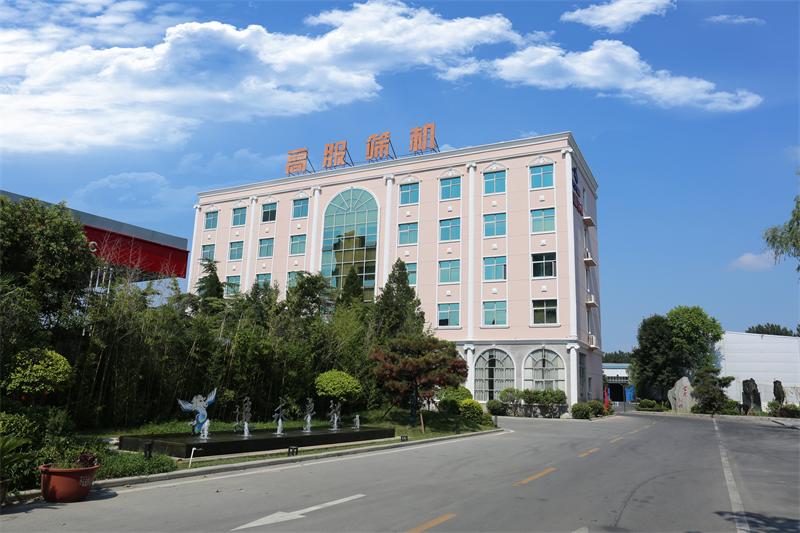
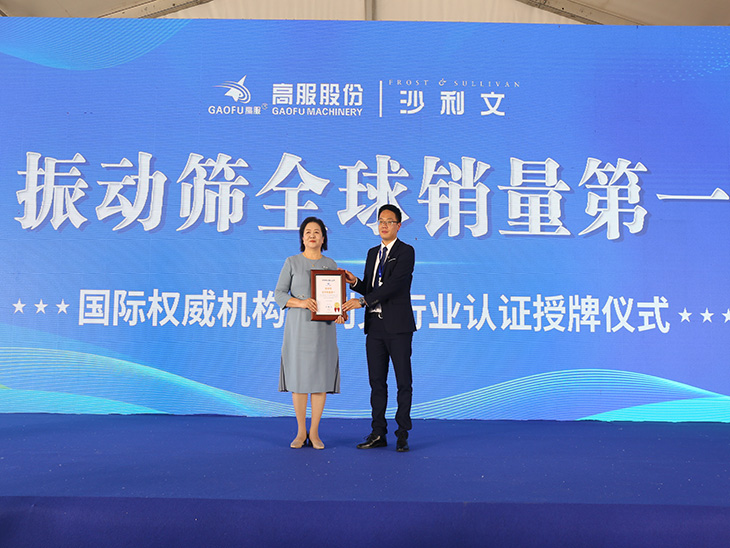
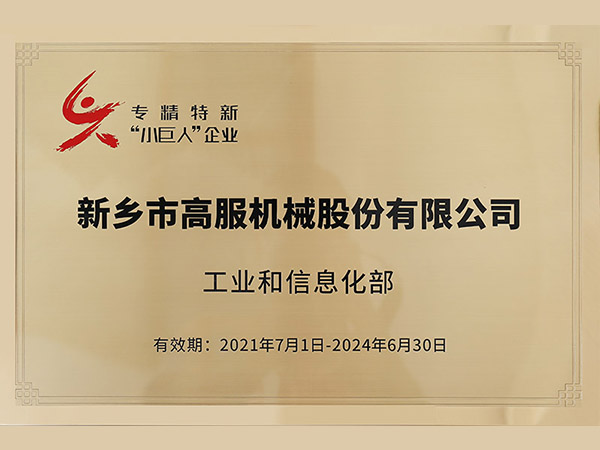
Xinxiang Gaofu Machinery Co., Ltd. has more than 40 years of experience in the research, development, and manufacture of industrial screening equipment. The company provides integrated solutions for screening, conveying, and automated material handling.
Its product range includes rotary vibrating screens, tumbler sieves, ultrasonic vibrating screens, linear vibrating screens, airflow screens, and related conveying, filtration, and coal crushing equipment. These products serve industries such as food, pharmaceuticals, chemicals, metallurgy, building materials, and mining.
GAOFU holds ISO 9001 quality management system certification, and CE marking is applied to applicable product series. The company has filed more than 500 patent applications cumulatively and participated in drafting four national standards.
With products sold in China and exported to more than 100 countries and regions, GAOFU has served over 10,000 customers worldwide. Its experience in industrial screening equipment supports the development of screening solutions for different powder and granule applications.
For traditional Chinese medicine powder processing, GAOFU can evaluate the material properties and production requirements to help identify a suitable rotary vibrating sieve configuration. Equipment selection should be based on the actual powder, target mesh opening, required capacity, and production environment.
Find a Suitable Screening Solution for Your Herbal Powder
Selecting the right vibrating sieve can help improve the organization and consistency of traditional Chinese medicine powder screening. However, the most suitable configuration depends on the specific material and process conditions.
If you are planning to screen traditional Chinese medicine powder, contact GAOFU Machinery with the following information:
- Name and type of herbal powder
- Target particle size or required mesh opening
- Required processing capacity in kg/h
- Number of screening fractions or screen layers
- Special requirements for stainless steel, cleaning, or dust control
With these details, the GAOFU team can evaluate your application and discuss a suitable rotary vibrating sieve solution for your production process.