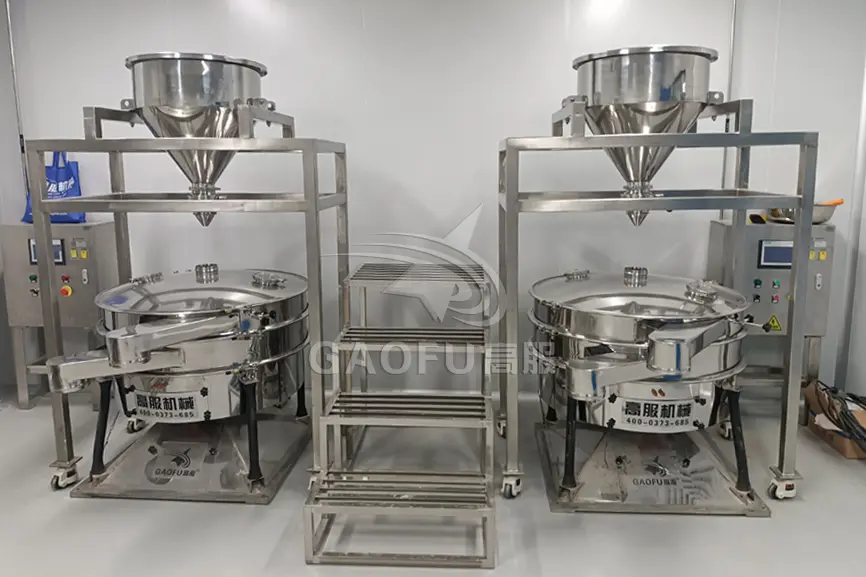
Edible salt goes into food. Therefore, its processing must protect purity. HACCP-based food safety programs focus on hazard analysis and critical control points. Screening sits in the salt flow. It can remove foreign matter and oversize particles. It can also introduce risks if the equipment is poorly designed. Gaofu Machinery builds the tumbler sieve for edible salt applications. This vibrating screen for salt supports HACCP requirements through hygienic design, stainless steel construction, and easy cleaning.
What HACCP expects from salt screening equipment
HACCP programs identify physical, chemical, and biological hazards. For salt screening, physical hazards include metal fragments, loose fasteners, and mesh pieces. Chemical hazards include cleaning residues and lubricants. Biological hazards include moisture-driven microbial growth. To control these risks, equipment should use food-grade contact materials. It should also minimize gaps, crevices, and dead corners. In addition, cleaning must be practical and verifiable. Records should show what was cleaned, when, and by whom. These expectations shape equipment selection.
Stainless steel construction for product contact
First, material choice controls product contact. Gaofu uses SUS304 or SUS316L stainless steel for product-contact parts. SUS316L offers greater resistance to chloride pitting. It often suits sea salt and high-humidity plants. SUS304 remains a practical choice for many edible salt lines. In addition, both grades resist corrosion and clean well. Internal surfaces receive a polished finish. This finish reduces salt adhesion. In some applications, electropolishing creates a smoother, denser surface. As a result, smooth surfaces leave fewer places for residue to collect. They also support effective cleaning verification.
Enclosed design to contain dust and prevent ingress
Salt dust spreads easily. Airborne particles can settle on equipment and nearby surfaces. Moreover, an open screen can allow dust to escape. It can also let external contaminants enter. Gaofu tumbler sieves use a fully enclosed housing. Food-grade silicone gaskets seal the connections. Quick-release clamps hold the seals in place. Consequently, salt dust stays inside the chamber. Moisture and airborne particles face a physical barrier. A dust extraction port can connect to a central collection system. Overall, these features support a cleaner workplace and lower contamination risk.
Easy cleaning and inspection for verification
HACCP programs require cleaning verification. In practice, equipment access affects this task. Gaofu tumbler sieves use tool-free quick-release clamps. First, operators can open the screening area in minutes. Then they can inspect the mesh, frame, and seals. Smooth internal surfaces simplify residue removal. Food-grade gaskets resist common cleaning chemicals. The enclosed design also protects the product during reassembly. In practice, these features support routine cleaning and documented checks. Operators can record mesh condition, seal condition, and cleaning time. This record supports traceability and audit readiness.
Anti-blinding and gentle motion for stable operation
Blinding creates operational problems. Specifically, it reduces open area and shifts the cut point. It also forces manual cleaning and interrupts production. The tumbler sieve resists blinding through continuous rolling action. The material bed stays loose and fluid. For difficult salt grades, bouncing ball systems add extra help. Food-grade silicone balls tap the underside of the mesh. They dislodge trapped particles automatically. Meanwhile, the gentle tumbling motion reduces crystal breakage. Less breakage means fewer fines and less dust. Stable operation supports consistent product quality and fewer interventions.
Cross-contamination control between salt grades
In some plants, edible salt lines may also run industrial salt or specialty grades. Cross-contamination control matters. The tumbler sieve supports this goal through full enclosure and easy-clean design. Operators can remove residue from the housing and frame contact areas. Quick-release clamps allow fast access for cleaning. Smooth surfaces reduce hidden crevices. In addition, multi-deck configurations allow several fractions in one pass. This layout reduces material transfer between machines. Fewer transfers mean fewer exposure points and lower contamination risk.
Documentation and routine maintenance
HACCP programs depend on records. For instance, a simple maintenance log supports this need. Record screen changes, seal inspections, and cleaning steps. Note the date, the operator, and any findings. As a result, this information helps identify recurring issues. It also supports traceability during audits. Finally, keep common spare parts on hand. These include gaskets, clamps, screens, and bouncing balls. Gaofu stocks common spare parts for fast dispatch. The company also offers technical support worldwide. Routine maintenance and clear records help sustain food safety performance.
Conclusion
HACCP requirements for edible salt demand more than a standard screen. They require food-grade materials, enclosed design, easy cleaning, and documented checks. Gaofu’s tumbler sieve brings these elements together for salt processing. If your plant produces edible salt, contact our sales engineering team. Share your salt type, cleaning regime, and HACCP control points. We can discuss a suitable tumbler sieve configuration or arrange a material test.
About Gaofu
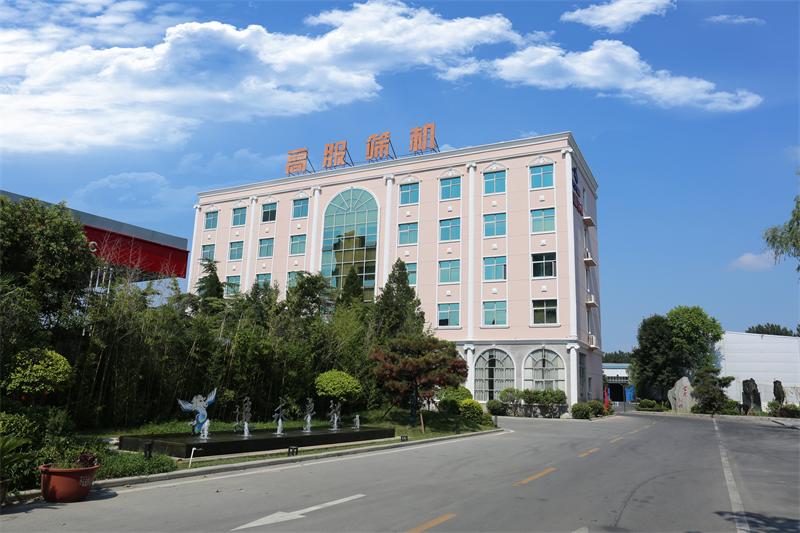
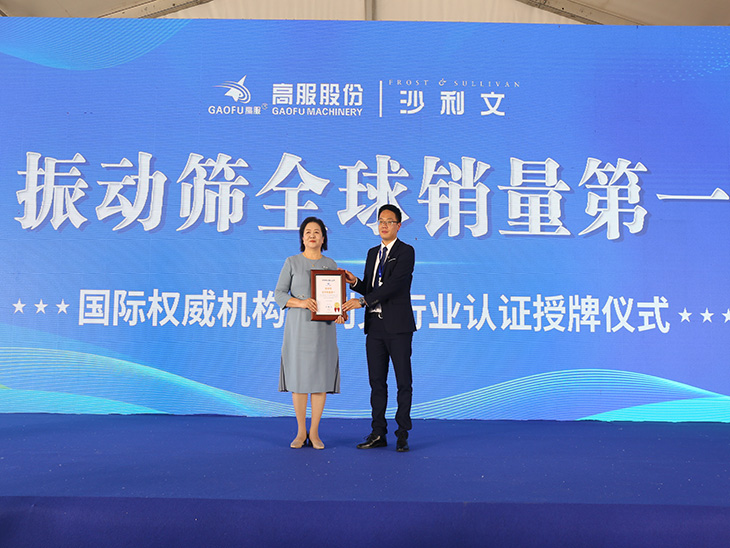
Xinxiang Gaofu Machinery Co., Ltd. has more than 40 years of experience in the research, development, and manufacture of industrial screening equipment, providing integrated solutions for screening, conveying, and automated material handling. Its product range covers rotary vibrating screens, tumbler sieves, ultrasonic vibrating screens, linear vibrating screens, airflow screens, and related conveying, filtration, and coal crushing equipment. These products are used in food, pharmaceutical, chemical, metallurgy, building materials, mining, and other industries.
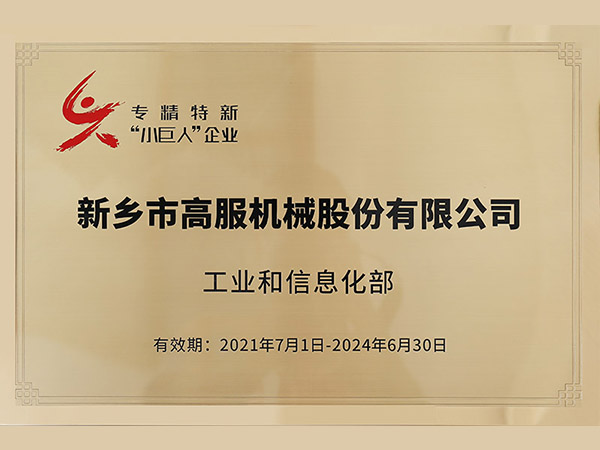
The company holds ISO 9001 quality management system certification, and CE marking is applied to applicable product series. Gaofu has filed more than 500 patent applications cumulatively and has participated in drafting four national standards. Its products are sold in China and exported to more than 100 countries and regions, including the United States, Australia, Russia, the United Kingdom, Spain, Germany, the Netherlands, Poland, the Philippines, Thailand, Indonesia, and Singapore. Gaofu has served more than 10,000 customers worldwide.