Salt producers often handle more than one product. A single plant may run fine table salt, coarse sea salt, flake salt, and industrial grades. Each grade needs a different cut point. Therefore, screen changes become a routine task. Yet every change costs production time. A vibrating screen for salt must support fast, safe screen replacement. Gaofu’s tumbler sieve addresses this need through tool-free access and a practical frame design. As a result, salt lines can switch products with less downtime.

Why quick screen changes matter in salt production
Product variety drives changeover frequency. Small batches and specialty salts increase the number of screen changes per week. Each change involves stopping the line, opening the machine, removing the old mesh, and installing a new one. Long changeovers reduce output and raise operating cost. They also increase the risk of handling errors. In addition, frequent cleaning between grades supports cross-contamination control. A screen design that simplifies these tasks helps the whole line. Consequently, quick screen changes support both flexibility and hygiene.
How the tumbler sieve supports fast screen changes
The tumbler sieve uses quick-release clamps around the housing. Operators can open the screening chamber without tools. First, they stop the feed and let the machine run empty. Then they release the clamps and lift the housing section. Next, they remove the screen frame. The frame is lightweight and easy to handle. After that, they place the new frame into position and secure it. Finally, they close the housing and lock the clamps. In practice, this sequence takes only a few minutes. It requires no special tools and no complex alignment.
Frame and mesh design for practical handling
Screen frames deserve attention in any changeover plan. Gaofu builds frames for stable tension and simple handling. The frame fits directly into the machine body. Operators do not need to adjust multiple bolts or tensioning devices. The mesh stays secure during operation. When the product changes, the operator swaps the entire frame. This approach reduces handling time and limits the risk of mesh damage. It also supports consistent tension after each change. Stable tension means a stable cut point. Therefore, product quality stays consistent across grades.
Cleaning and cross-contamination control
Quick screen changes also support cleaning. When the frame is out, operators can inspect the interior. They can remove salt residue from the housing and the frame contact areas. Smooth stainless steel surfaces simplify this task. Food-grade silicone gaskets provide a reliable seal after reassembly. For plants handling edible and industrial salt, this routine helps control cross-contamination. In addition, the enclosed housing contains dust during operation. A dust extraction port can connect to a central collection system. These features support a cleaner workplace and better product safety.
Stainless steel construction for corrosive salt environments
Salt exposes equipment to chloride and moisture. Gaofu uses SUS304 or SUS316L stainless steel for product-contact parts. SUS316L offers greater resistance to chloride pitting. It often suits sea salt and high-humidity plants. SUS304 remains a practical choice for many edible and industrial salt lines. Surface finish also matters. We polish internal surfaces to reduce salt adhesion. In some applications, electropolishing creates a smoother, denser surface. These details support easier cleaning and longer service life. They also help the machine tolerate frequent washdowns between product changes.
From faster changes to line flexibility
Faster screen changes create more than time savings. They allow a plant to respond to smaller orders and seasonal demand. They also support trial runs for new salt grades. In addition, they reduce the need for multiple dedicated machines. One tumbler sieve can serve several products with the right screen set. This flexibility saves floor space and capital cost. Meanwhile, the machine’s gentle tumbling motion protects crystal shape. Less breakage means fewer fines and less dust. Overall, quick changes and gentle handling work together to support product variety.
Conclusion
Product variety is a fact of life in salt processing. Quick screen changes turn that variety into an advantage rather than a bottleneck. Gaofu’s tumbler sieve supports fast, tool-free screen replacement, stable mesh tension, and hygienic cleaning between grades. If your salt line handles multiple products, contact our sales engineering team. Share your salt types, target cut points, and changeover frequency. We can discuss a suitable frame and screen configuration or arrange a material test.
About Gaofu
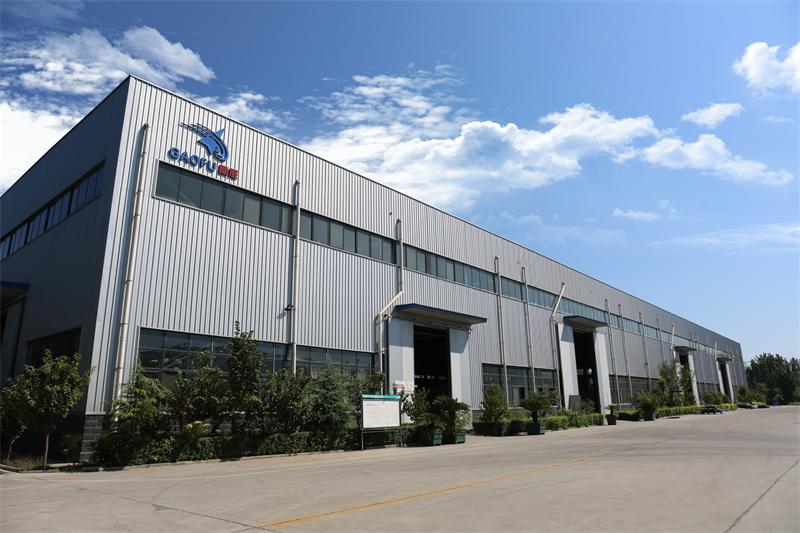
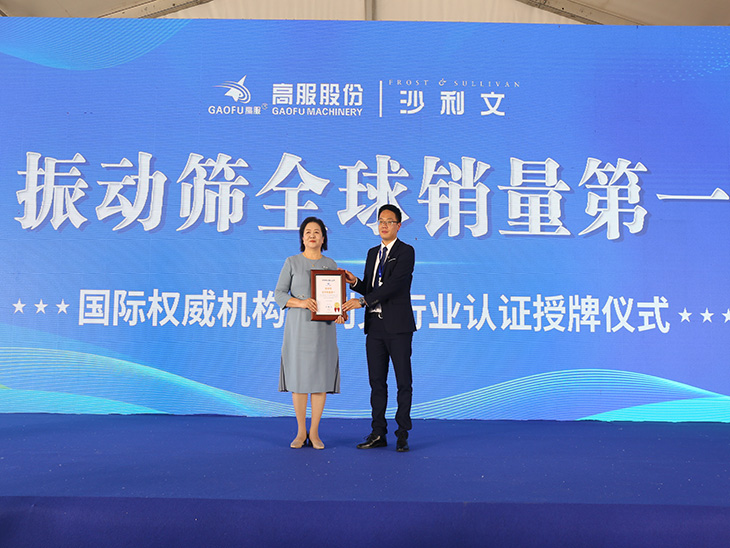
Xinxiang Gaofu Machinery Co., Ltd. has more than 40 years of experience in the research, development, and manufacture of industrial screening equipment, providing integrated solutions for screening, conveying, and automated material handling. Its product range covers rotary vibrating screens, tumbler sieves, ultrasonic vibrating screens, linear vibrating screens, airflow screens, and related conveying, filtration, and coal crushing equipment. These products are used in food, pharmaceutical, chemical, metallurgy, building materials, mining, and other industries.
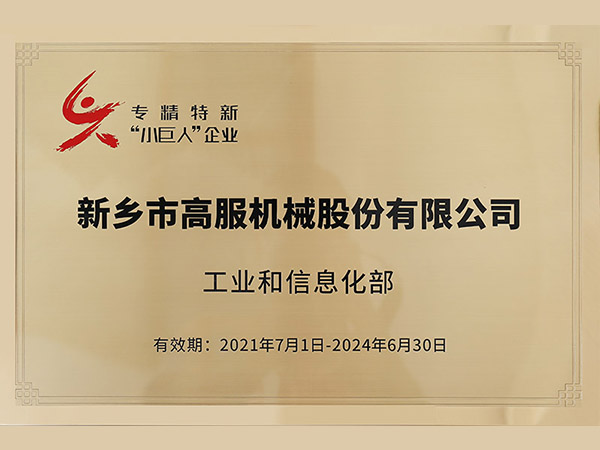
The company holds ISO 9001 quality management system certification, and CE marking is applied to applicable product series. Gaofu has filed more than 500 patent applications cumulatively and has participated in drafting four national standards. Its products are sold in China and exported to more than 100 countries and regions, including the United States, Australia, Russia, the United Kingdom, Spain, Germany, the Netherlands, Poland, the Philippines, Thailand, Indonesia, and Singapore. Gaofu has served more than 10,000 customers worldwide.