Salt plants often upgrade screening equipment without stopping the whole line. A new tumbler sieve must fit the existing layout, flow, and controls. Poor integration creates bottlenecks and extra handling. Therefore, planning matters as much as machine choice. Gaofu Machinery builds the tumbler sieve for salt applications. This vibrating screen for salt supports practical integration into existing salt lines. The following steps explain how to approach the project.
Step 1: Review the existing layout and space
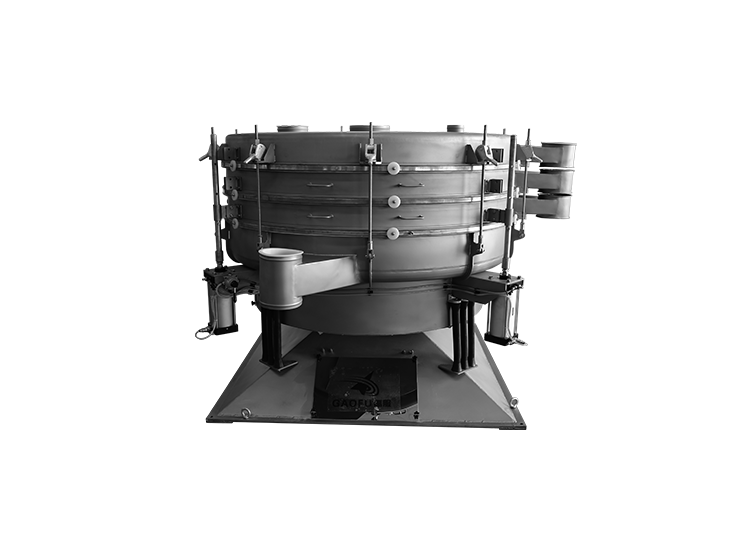
First, map the current salt line from intake to packaging. Identify the best point for screening. Most plants place a sieve before packaging or after milling. Next, measure available floor space and headroom. The tumbler sieve uses a vertical motor and a round body. This layout saves floor area. However, access space for cleaning and maintenance still matters. Confirm clearance around the housing and clamps. Then check supporting structure and anchor points. In practice, a compact machine simplifies installation. Yet a detailed layout review prevents surprises during commissioning.
Step 2: Match material flow and connections
Material flow decides screening performance. Feed the tumbler sieve with a steady flow. For example, a screw feeder or rotary valve can support stable input. Avoid sudden surges that overload the screen. On the outlet side, connect to the next process with short transitions. Flexible connectors help reduce vibration transfer. They also simplify alignment during installation. The tumbler sieve uses food-grade silicone gaskets and quick-release clamps. These parts secure the connections and simplify future cleaning. In addition, a dust extraction port can link to the plant collection system. Overall, smooth connections support stable operation.
Step 3: Confirm capacity and screening targets
Capacity should match the salt line. Oversizing wastes space and energy. Undersizing creates bottlenecks. Therefore, review throughput, salt type, and target particle size before selection. The tumbler sieve comes in several diameters. Small units serve pilot plants and specialty production. Larger models handle high-volume salt lines. Operators can adjust eccentric weights and lead angle. A softer setting suits fine table salt. A stronger setting handles coarse rock salt. Multi-deck configurations allow several fractions in one pass. This flexibility helps one machine serve multiple salt grades.
Step 4: Plan dust control and cleaning
Salt dust spreads easily. It also absorbs moisture and sticks to surfaces. An open screening area can affect hygiene and workplace air. Gaofu tumbler sieves use a fully enclosed housing. Food-grade gaskets seal the connections. This design contains dust and limits moisture ingress. Connect the dust extraction port to a central system where available. For cleaning, quick-release clamps allow tool-free access. Operators can inspect the mesh and clean the interior in minutes. Smooth stainless steel surfaces reduce salt adhesion. In addition, SUS304 or SUS316L contact parts resist chloride attack. These features support food safety and product changeovers.
Step 5: Link controls and safety systems
Modern salt lines use automated controls. The tumbler sieve should work with these systems. First, confirm motor voltage and control requirements. Next, integrate start-stop signals with the line control panel. Add level sensors or flow indicators where needed. Then review safety interlocks and emergency stop logic. Proper wiring and labeling support safe operation. During commissioning, test the sieve at different feed rates. Record motor current and vibration behavior. These checks help confirm stable integration.
Step 6: Plan installation and commissioning
Installation planning reduces downtime. First, schedule the work during a planned stop. Next, prepare lifting equipment and access routes. Then align the machine with the existing chutes and supports. Use flexible connections to absorb small misalignments. After installation, run the machine empty first. Check for unusual noise or vibration. Then add salt gradually and review screening performance. Collect samples at each deck. Compare results with the target range. Finally, train operators on cleaning, screen changes, and routine checks. A clear handover supports long-term performance.
Step 7: Set a maintenance routine
Maintenance keeps the integrated line stable. Clean the screening area after each shift. Inspect the mesh and gaskets daily. Check clamps and fittings weekly. Review the drive and weight settings monthly. Adjust the schedule according to salt type and humidity. Keep common spare parts on hand. These include gaskets, clamps, screens, and bouncing balls. Record each change and inspection in a log. This record supports traceability and planning. Gaofu stocks common spare parts for fast dispatch and offers technical support worldwide.
Conclusion
Integrating a tumbler sieve into an existing salt line requires more than a machine. It requires layout review, flow planning, capacity matching, dust control, control integration, and a maintenance routine. Gaofu’s tumbler sieve supports these steps through compact design, adjustable motion, hygienic construction, and tool-free access. If you plan a salt line upgrade, contact our sales engineering team. Share your layout, salt type, capacity target, and cleaning regime. We can discuss a suitable configuration or arrange a material test.
About Gaofu
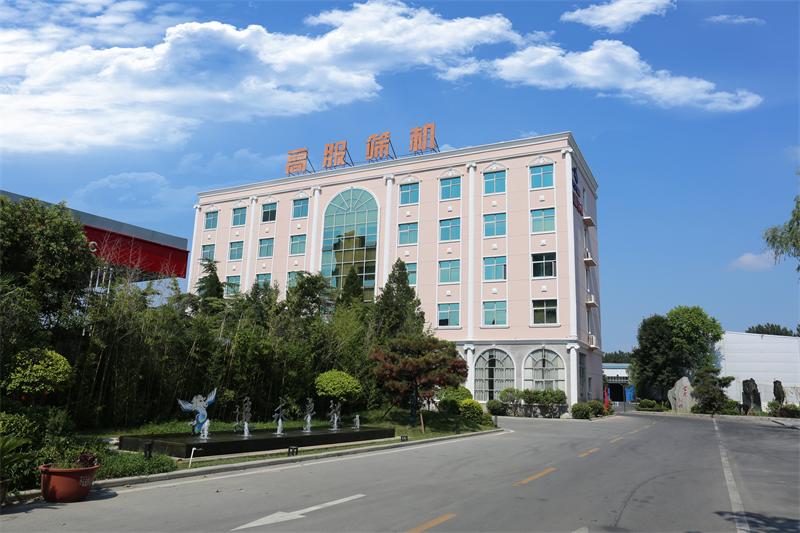
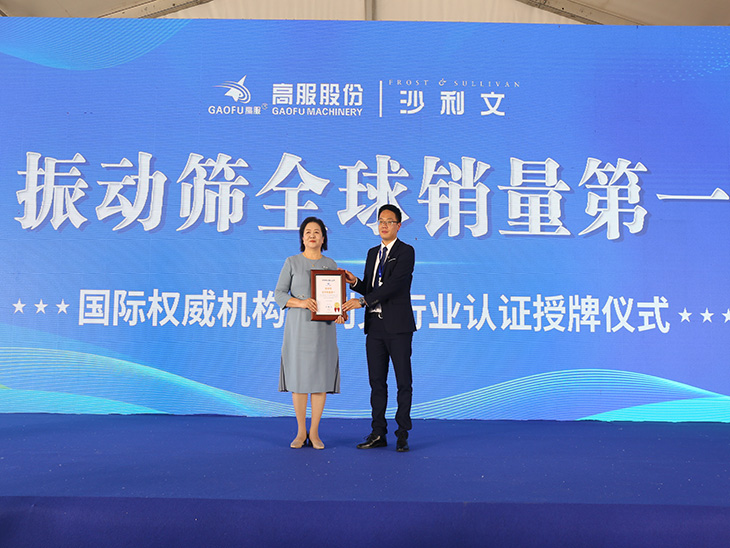
Xinxiang Gaofu Machinery Co., Ltd. has more than 40 years of experience in the research, development, and manufacture of industrial screening equipment, providing integrated solutions for screening, conveying, and automated material handling. Its product range covers rotary vibrating screens, tumbler sieves, ultrasonic vibrating screens, linear vibrating screens, airflow screens, and related conveying, filtration, and coal crushing equipment. These products are used in food, pharmaceutical, chemical, metallurgy, building materials, mining, and other industries.
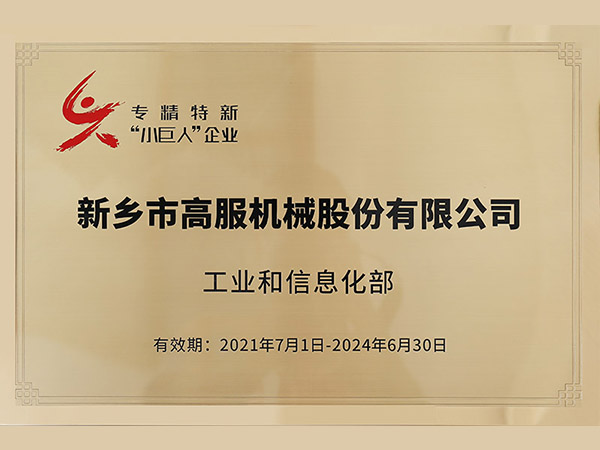
The company holds ISO 9001 quality management system certification, and CE marking is applied to applicable product series. Gaofu has filed more than 500 patent applications cumulatively and has participated in drafting four national standards. Its products are sold in China and exported to more than 100 countries and regions, including the United States, Australia, Russia, the United Kingdom, Spain, Germany, the Netherlands, Poland, the Philippines, Thailand, Indonesia, and Singapore. Gaofu has served more than 10,000 customers worldwide.