A well-designed flour feeding system boosts bakery efficiency, ensures food safety and reduces waste. Learn the key factors to select the right system.
At Gaofu Machinery, we help bakeries and pastry manufacturers build feeding systems that combine screening, conveying, and dust-free unloading into one smooth operation. When you evaluate a flour feeding system for your bakery, focus on the factors below. They cover the core equipment and integration choices that make a daily difference.
Effective screening right at the start
Flour often arrives with unexpected impurities—small fibers, bag fragments, or agglomerated lumps that form during storage. Passing all incoming flour through a vibrating screen removes these unwanted particles before they enter your dough mixers or storage silos, protecting both product quality and downstream equipment.
Gaofu manufactures rotary vibrating sieves specifically for food applications. These screens use food-grade stainless steel, polished surfaces, and quick-release clamps for fast cleaning. You can choose mesh sizes down to a few microns. Placing a vibrating screen at the beginning of the feeding system also gives you a final safety checkpoint—if any foreign material made it through earlier steps, the screen catches it here.
Gentle transfer with vacuum conveying
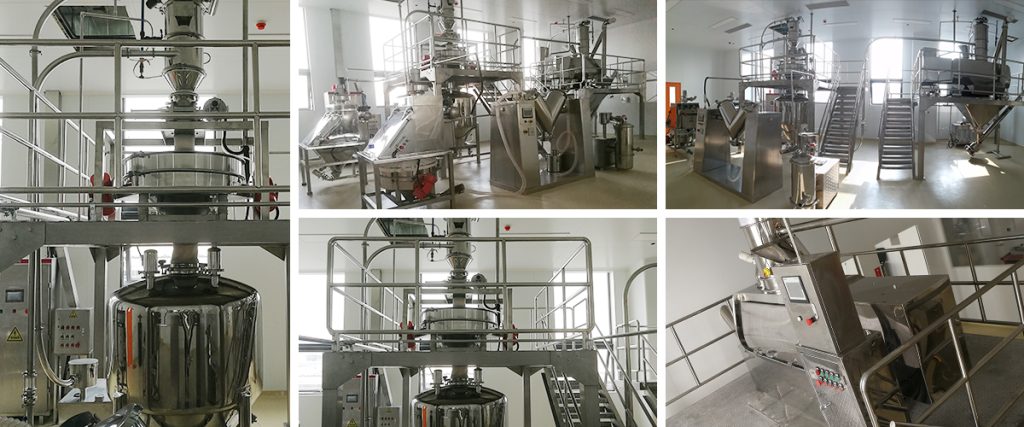
Moving large volumes of flour from storage to the point of use can create dust clouds, spillage, and product loss. A vacuum conveyor solves these problems by moving flour through enclosed pipelines under negative pressure. The closed path keeps dust inside and protects the flour from ambient moisture and contaminants. For bakeries that handle specialty flours or gluten-free mixes, a dedicated vacuum line also prevents cross-contact between recipes.
Gaofu's vacuum conveying equipment handles different transfer distances and capacities. Operators can adjust conveying speed to match production demand without damaging flour particles. Because the system operates under vacuum, any leak draws air inward rather than pushing flour out, greatly reducing dust accumulation and supporting both food safety and occupational health guidelines.
Dust-free feeding stations for bag emptying
Even when a bakery receives flour in bulk, specialty ingredients often arrive in bags. Manually dumping these into an open hopper releases fine dust that settles on surfaces and creates a potential respiratory hazard.
A dust-free feeding station captures airborne particles as the bag empties, using a built-in fan and filter system to draw dust away from the operator. Gaofu's stations include a screen integrated into the receiving hopper, so you can empty bags directly onto a mesh that catches bag fragments. The screened flour then feeds into the vacuum conveyor or the next process. Many bakeries use these stations to handle minor ingredients like sugar, starch, or custom premixes alongside the main flour stream.
Integrating the components into one system
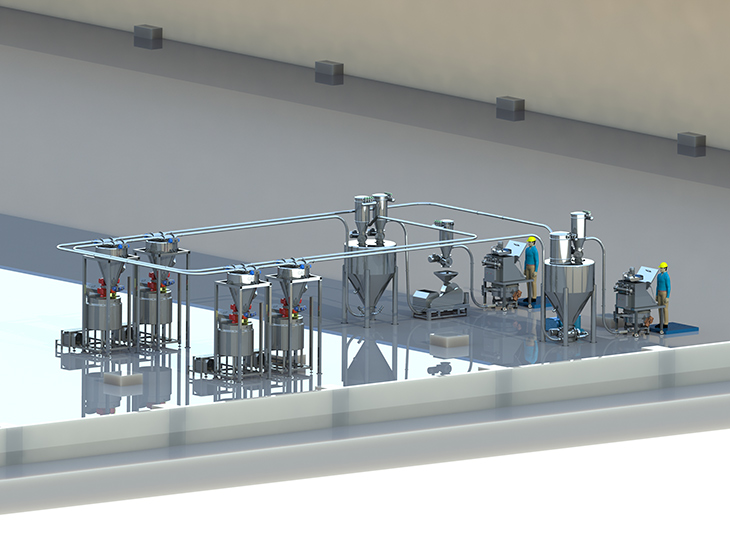
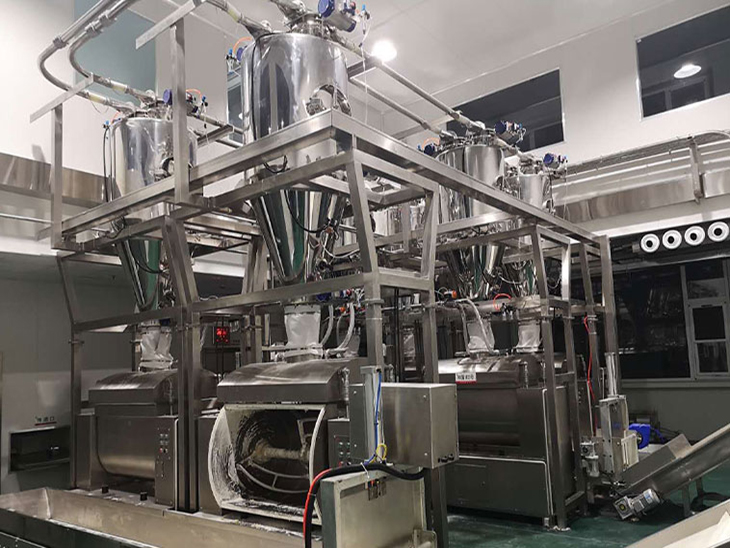
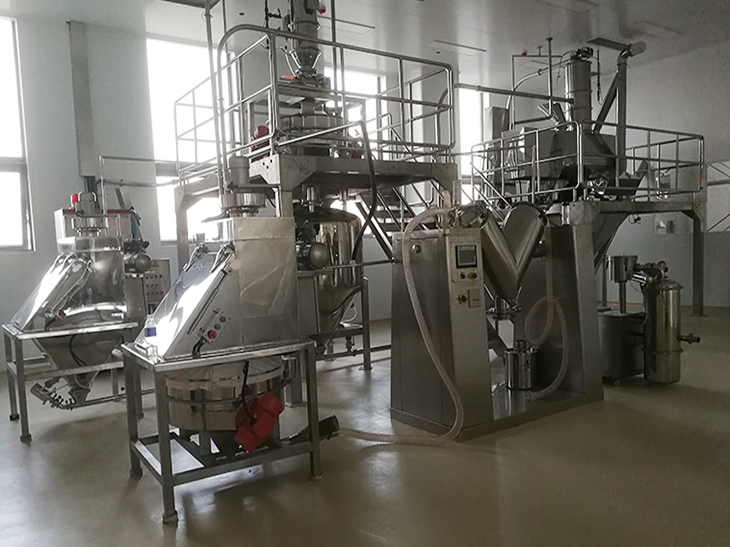
A complete flour feeding system links the dust-free feeding station, vibrating screen, and vacuum conveyor in a logical sequence. For example, bagged specialty flour is emptied at a dust-free station, falls through a vibrating screen to remove foreign matter, then a vacuum conveyor lifts the screened flour and delivers it to a storage silo or weigh hopper above a mixer.
Automation controls can start and stop the conveyor based on demand signals from downstream equipment, avoiding overfilling and reducing manual handling. Gaofu engineers work with bakery teams to define the sequence that matches available floor space and production flow. Standardizing connections between screening, conveying, and feeding modules also makes cleaning and inspection routines faster.
Maintenance and long-term reliability
Even with robust design, a flour feeding system needs routine attention. Filters require regular cleaning or replacement. Vacuum pump seals and hoses wear gradually. Screen meshes can lose tension or develop damage after long use. Planning for these tasks during system design reduces downtime later.
Gaofu keeps common spare parts in stock, including mesh screens, gaskets, and conveyor hoses, and offers remote and on-site support. A maintenance-friendly system includes accessible inspection ports and toolless clamps where practical. When your team can check and clean equipment quickly, they are more likely to follow the recommended schedule.
Choosing a partner with bakery experience
Every bakery operates under different constraints: ceiling height, mixer layout, recipe changeover frequency, and cleaning requirements. A supplier with bakery-specific experience can point out practical trade-offs early. Gaofu has worked with numerous food producers—from large-scale industrial bakeries to smaller artisan pastry workshops—to implement flour feeding solutions. That exposure helps us recommend designs that consider both current production needs and possible future expansion.
A flour feeding system is not a one-size purchase. Pay attention to screening accuracy, dust control, gentle conveying, and ease of integration. When these factors work together, your bakery gains a cleaner work environment, more consistent dough quality, and a process that scales with your business.
To explore how Gaofu's rotary vibrating sieves, vacuum conveyors, and dust-free feeding stations can support your flour feeding system, contact our sales engineering team. We welcome you to send material samples for testing or visit our manufacturing facilities.
About Gaofu
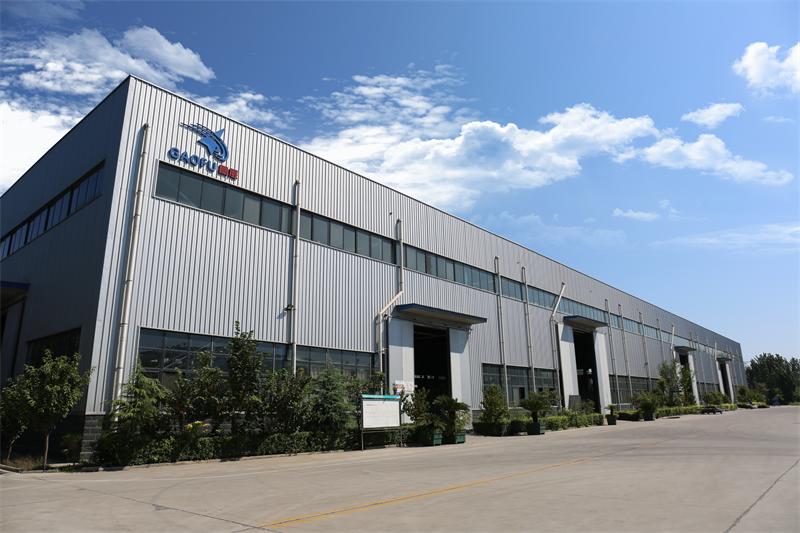
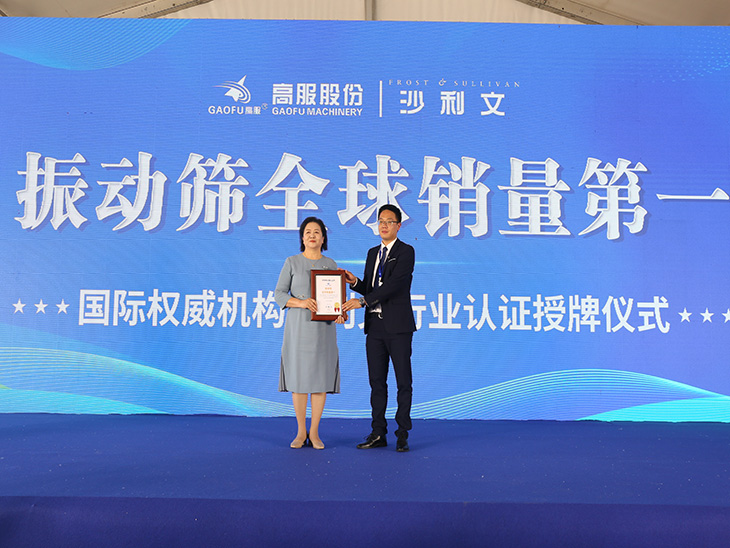
Xinxiang Gaofu Machinery Co., Ltd. has grown over 40 years into a nationally recognized high-tech enterprise specializing in screening, conveying, and automated material handling. The company holds over 500 patents, has participated in drafting four national standards, and serves as the Chairing Unit of the Vibration Association. Gaofu provides one-stop powder handling solutions and complete food production lines—including bakery and pastry systems—serving over 10,000 customers worldwide, with exports to more than 100 countries.