Flour mills need reliable screening. They also face practical choices. Two common options are the rotary vibrating sieve and the linear vibrating screen. Both machines separate particles. However, they use different motion patterns and suit different layouts. Gaofu Machinery builds the rotary vibrating sieve for flour screening. This article compares the two options in food powder applications. The goal is a clear view of where each design fits.

Motion and separation behavior
First, consider how each machine moves material. The rotary vibrating sieve uses a vertical motor with eccentric weights. These weights create a gentle, three-dimensional tumbling action. Flour spreads, rolls, and glides across the mesh. It does not bounce at high frequency. Consequently, the sifter preserves particle shape and supports a stable cut point.
A linear vibrating screen uses two vibration motors. These motors drive material forward in a straight line. The motion is direct and fast. Material moves from inlet to outlet with little lateral spread. As a result, linear screens suit high-capacity flow and simple grading tasks. In practice, the rotary sieve offers gentler handling for fragile or sticky flour.
Space and layout
Space often limits plant upgrades. The rotary vibrating sieve uses a round body and vertical motor. This layout stacks the drive and screening sections into one unit. Therefore, the machine needs only a small floor area. It also requires modest headroom. Bakers and millers can place it near mixers, packaging lines, or storage bins.
A linear screen typically needs a longer footprint. It moves material in a straight line, so deck length matters. Large linear units may require more supporting structure. For compact plants, the rotary sieve often fits more easily. Meanwhile, linear screens can deliver higher capacity per deck in some configurations. The right choice depends on available space and target throughput.
Handling sticky and moist flour
Flour can absorb moisture and form lumps. Sticky flour blinds standard meshes. The rotary vibrating sieve resists blinding through continuous rolling action. The material bed stays loose and fluid. For difficult powders, bouncing ball systems add extra help. Food-grade silicone balls tap the underside of the mesh. They dislodge trapped particles automatically.
A linear screen can also use bouncing balls. However, its forward motion may compact sticky material in some cases. Operators often need to adjust feed rate or add anti-blinding devices. Overall, the rotary sieve handles sticky fine flour with more margin.
Hygiene and cleaning
Food safety matters in every flour mill. Both machine types can use stainless steel contact parts. Gaofu offers SUS304 or SUS316L options for flour applications. Quick-release clamps support tool-free access on both designs. The rotary sieve’s round body simplifies interior inspection. Its gentle motion also reduces wear on the screen assembly. Linear screens have more moving parts in the drive system. Therefore, they may need more frequent drive maintenance.
Capacity and maintenance
Linear screens often serve high-volume, single-product lines. Their direct flow supports steady output. Rotary sieves offer flexible settings for multiple flour types. Operators can adjust eccentric weights and lead angle. A softer setting suits cake flour. A stronger setting handles whole wheat flour or starch. Routine maintenance on the rotary sieve takes only minutes. Operators can change screens without tools. Gaofu stocks common spare parts for fast dispatch. The company also offers technical support worldwide.
Choosing for flour screening
Fine table flour, cake flour, and sticky grades often favor the rotary vibrating sieve. Its gentle motion and anti-blinding options support stable screening. High-capacity lines with simple grading needs may favor a linear screen. Yet crystal or particle integrity still matters. A material test can clarify the best fit. Share your flour sample and operating conditions with our engineering team.
Conclusion
Rotary and linear screens serve different needs in flour processing. The rotary vibrating sieve prioritizes gentle handling, anti-blinding performance, and compact layout. The linear screen prioritizes direct flow and high capacity. Neither option wins in every case. Gaofu can review your flour type, capacity target, and space limits. Contact our sales engineering team to discuss a suitable configuration or arrange a material test.
About Gaofu
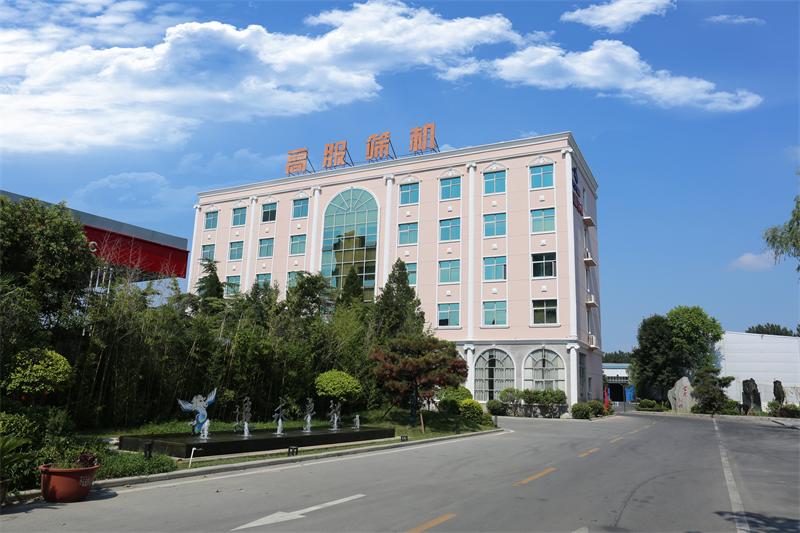
Xinxiang Gaofu Machinery Co., Ltd. has more than 40 years of experience in the research, development, and manufacture of industrial screening equipment, providing integrated solutions for screening, conveying, and automated material handling. Its product range covers rotary vibrating screens, tumbler sieves, ultrasonic vibrating screens, linear vibrating screens, airflow screens, and related conveying, filtration, and coal crushing equipment. These products are used in food, pharmaceutical, chemical, metallurgy, building materials, mining, and other industries.
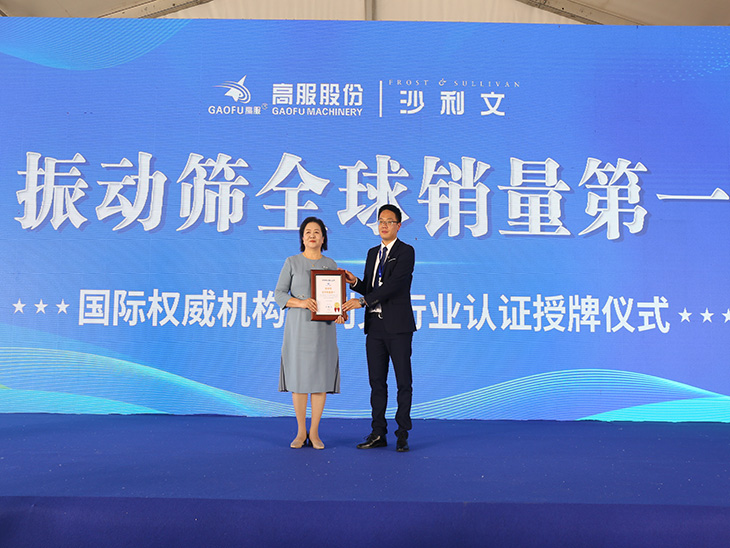
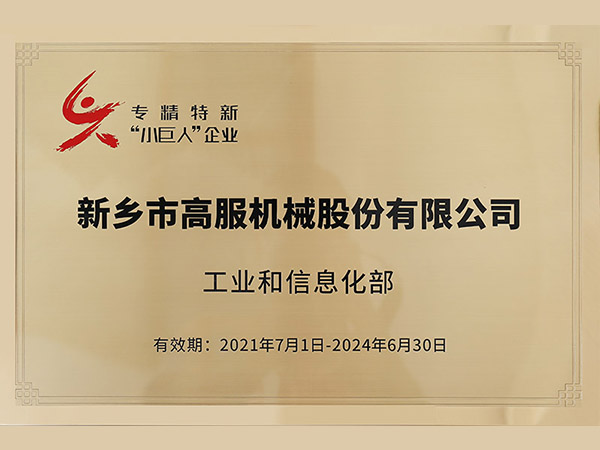
The company holds ISO 9001 quality management system certification, and CE marking is applied to applicable product series. Gaofu has filed more than 500 patent applications cumulatively and has participated in drafting four national standards. Its products are sold in China and exported to more than 100 countries and regions, including the United States, Australia, Russia, the United Kingdom, Spain, Germany, the Netherlands, Poland, the Philippines, Thailand, Indonesia, and Singapore. Gaofu has served more than 10,000 customers worldwide.