Plastic pellet manufacturing involves several size-control steps. Pellets leave the cutter with mixed sizes, fines, and occasional oversize pieces. These variations affect feeding, melting, and final product quality. Therefore, pellet producers need reliable screening. Gaofu Machinery builds the rotary vibrating sieve for these duties. This vibrating sieve uses a gentle three-dimensional motion. As a result, it supports stable separation in plastic pellet manufacturing.
Why pellet screening matters
First, pellet size affects downstream processing. Oversize pellets can block feeders or damage molds. Fine dust and small fragments can cause inconsistent melting. Next, dust creates handling and housekeeping problems. It also affects product appearance and packing weight. Then recycled material may carry foreign particles. In practice, screening removes these problems before they reach the next step. A suitable sieve supports stable output and product quality.
How the rotary vibrating sieve works
A vertical motor drives eccentric weights at both ends. The upper weight spreads pellets across the screen surface. Meanwhile, the lower weight creates an inclined spiral path. Pellets roll and glide over the mesh. They do not bounce violently. Consequently, the sieve preserves pellet shape and supports a stable cut point. Operators can adjust the weights for different materials. A softer setting suits fragile regrind. A stronger setting handles dense pellets. In practice, these adjustments support repeatable results across product changes.

Application 1: post-pelletizing classification
After pelletizing, the product stream contains mixed sizes. The rotary vibrating sieve separates these fractions in one pass. First, a top deck removes oversize pellets. Next, a middle deck carries the target product. Finally, a bottom deck captures fine dust. This multi-deck layout reduces material transfer between machines. Fewer transfers mean less dust exposure and lower handling load. Therefore, producers can improve classification with a compact setup.
Application 2: fine removal and dust control
Fine dust affects both product quality and workplace air. The rotary vibrating sieve helps control dust at the source. An enclosed housing contains dust during operation. Food-grade silicone gaskets seal the connections. Quick-release clamps hold the seals in place. A dust extraction port can connect to a central collection system. Consequently, dust migration falls and cleaning work drops. Meanwhile, the sieve removes fines from the pellet stream. Cleaner pellets support stable feeding and melting.
Application 3: pre-packing quality checks
Packing lines need consistent pellet size. A final screening step removes oversize and fines before packing. The rotary vibrating sieve supports this duty with adjustable settings. Operators can tune the motion for different pellet grades. In addition, quick-release clamps allow fast screen changes. Smooth stainless steel surfaces simplify cleaning. These features help producers meet packing specifications. They also support product consistency across batches.
Anti-blinding support for plastic pellets
Plastic pellets can blind the mesh under some conditions. Static charge and surface moisture make this problem worse. Gaofu offers bouncing ball systems for these duties. Food-grade silicone balls sit under the mesh. During operation, they tap the underside of the screen. This action dislodges trapped particles. It also keeps the mesh open for longer runs. For very fine plastic powders, ultrasonic assistance can add micro-vibration. Both options support steady throughput with fewer cleaning stops.
Hygienic construction and easy maintenance
Plastic processing benefits from clean equipment. Gaofu uses SUS304 or SUS316L stainless steel for product-contact parts. Internal surfaces receive a polished finish. This finish reduces pellet adhesion and simplifies cleaning. Quick-release clamps allow tool-free access. Operators can inspect the mesh and clean the interior in minutes. The enclosed housing also contains dust. These features support product purity and a cleaner workplace. Routine maintenance takes only minutes. First, clean the screening area after each shift. Next, inspect the mesh for holes or loose edges. Then check gaskets and clamps for wear. Finally, log each check in a maintenance record.
Practical settings and testing
Operators should record settings for each plastic material. Note the weight setting, lead angle, and mesh choice. This record supports repeatable results. In addition, sample the screened pellets at regular intervals. Check size distribution against the target range. Review mesh tension and seal condition during each shift. A material test before purchase can clarify the right configuration. Share a representative pellet sample with Gaofu’s engineering team. We can review the sieve type, mesh, and motion settings.
Conclusion
Plastic pellet manufacturing needs reliable screening at several points. Post-pelletizing classification, fine removal, dust control, and pre-packing checks all benefit from a suitable sieve. Gaofu’s rotary vibrating sieve combines gentle motion, anti-blinding support, multi-deck classification, and hygienic construction. Contact our sales engineering team to discuss your pellet application or arrange a material test.
About Gaofu
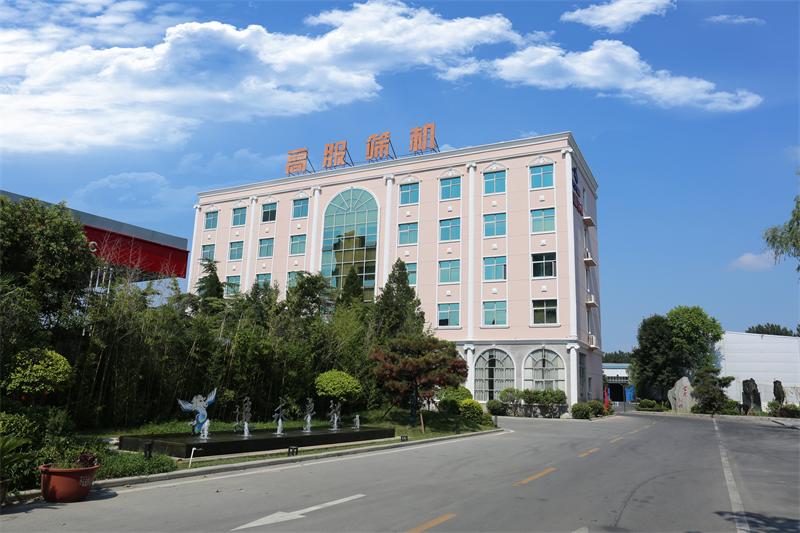
Xinxiang Gaofu Machinery Co., Ltd. has more than 40 years of experience in the research, development, and manufacture of industrial screening equipment, providing integrated solutions for screening, conveying, and automated material handling. Its product range covers rotary vibrating screens, tumbler sieves, ultrasonic vibrating screens, linear vibrating screens, airflow screens, and related conveying, filtration, and coal crushing equipment. These products are used in food, pharmaceutical, chemical, metallurgy, building materials, mining, and other industries.
The company holds ISO 9001 quality management system certification, and CE marking is applied to applicable product series. Gaofu has filed more than 500 patent applications cumulatively and has participated in drafting four national standards. Its products are sold in China and exported to more than 100 countries and regions, including the United States, Australia, Russia, the United Kingdom, Spain, Germany, the Netherlands, Poland, the Philippines, Thailand, Indonesia, and Singapore. Gaofu has served more than 10,000 customers worldwide.