Spice powders differ in texture, density, and oil content. Ground pepper flows freely. Paprika carries fine dust. Cinnamon may contain fibrous particles. Chili powder can be sticky. Turmeric often clings to surfaces. These differences affect screening performance. Therefore, processors need a sieve that adapts to each powder. Gaofu Machinery builds the rotary vibrating sieve for these duties. This vibrating sieve uses a gentle three-dimensional motion. As a result, it handles different spice powders with stable separation.
Why spice powders behave differently
First, particle size varies by grinding method. Fine powders blind more easily. Coarse blends need steady travel. Next, natural oils increase adhesion. Oily powders stick to mesh openings and frame walls. Then moisture from the air makes fine particles clump. In addition, fibrous materials can catch on the mesh. These traits change flow behavior and cut accuracy. Consequently, one fixed setting rarely suits every spice.
How the rotary vibrating sieve creates motion
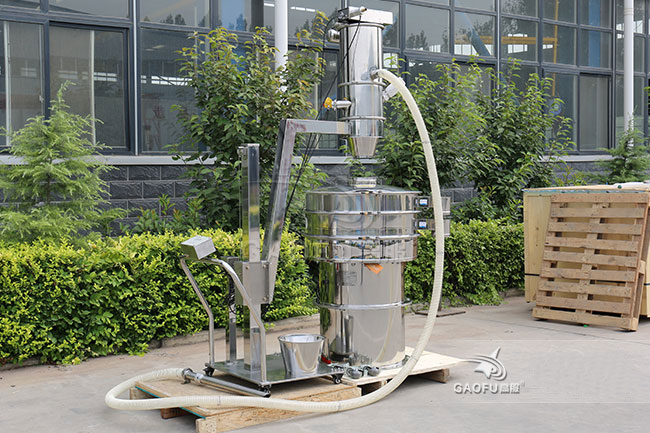
A vertical motor drives eccentric weights at both ends. The upper weight spreads powder across the screen surface. Meanwhile, the lower weight creates an inclined spiral path. Spice particles roll and glide over the mesh. They do not bounce violently. Therefore, the sieve preserves particle shape and maintains a stable cut point. Operators adjust the weights for different spices. A softer setting suits fine powders. A stronger setting handles coarse blends. In practice, these adjustments support repeatable results across product changes.
Handling fine and dusty spices
Fine spices such as paprika and ground cumin create dust. Dust affects workplace air and product loss. The enclosed housing contains dust during operation. Food-grade silicone gaskets seal the connections. Quick-release clamps hold the seals in place. A dust extraction port can connect to a central collection system. Consequently, dust migration falls and cleaning work drops. Meanwhile, bouncing balls help with fine powders that blind the mesh. Food-grade silicone balls tap the underside of the screen. They dislodge trapped particles automatically.
Handling oily and sticky spices
Oily spices such as chili powder can cling to the mesh. Moisture makes the problem worse. Blinding then reduces open area and shifts the cut point. The rotary vibrating sieve resists blinding through continuous rolling action. For difficult powders, operators can combine bouncing balls with a suitable weight setting. In addition, ultrasonic assistance can add micro-vibration for very fine powders. Both options support steady throughput with fewer cleaning stops. Therefore, processors can choose the right support for each spice.
Handling coarse and fibrous spices
Coarse spices and fibrous materials need steady travel. A stronger weight setting helps move material across the deck. The gentle tumbling motion still protects particle shape. High-impact vibration can break fragile particles and create excess fines. The rotary vibrating sieve runs with lower acceleration. As a result, it helps reduce breakage. In addition, multi-deck configurations allow several fractions in one pass. A top deck removes oversize particles. Middle decks collect target fractions. A bottom deck captures fine dust.
Hygienic construction and easy cleaning
Spice processing demands hygienic equipment. Gaofu uses SUS304 or SUS316L stainless steel for product-contact parts. Internal surfaces receive a polished finish. This finish reduces powder adhesion and simplifies cleaning. Food-grade silicone gaskets provide a reliable seal. Quick-release clamps allow tool-free access. Operators can inspect the mesh and clean the interior in minutes. The enclosed housing also contains dust. A dust extraction port can connect to a central collection system. These features support product purity and a cleaner workplace.
Practical settings and maintenance
Operators should record settings for each spice powder. Note the weight setting, lead angle, and mesh choice. This record supports repeatable results. In addition, clean the screening area after each shift. Inspect the mesh for holes or loose edges. Check gaskets and clamps for wear. Review the drive and bouncing balls monthly. Finally, log each check in a maintenance record. These routines take only minutes and help avoid unexpected stops.
Conclusion
Different spice powders place different demands on a vibrating sieve. Fine powders need dust control. Oily powders need anti-blinding support. Coarse blends need steady travel. Gaofu’s rotary vibrating sieve addresses these needs through adjustable motion, enclosed design, and hygienic construction. Contact our sales engineering team to discuss your spice powder application or arrange a material test.
About Gaofu
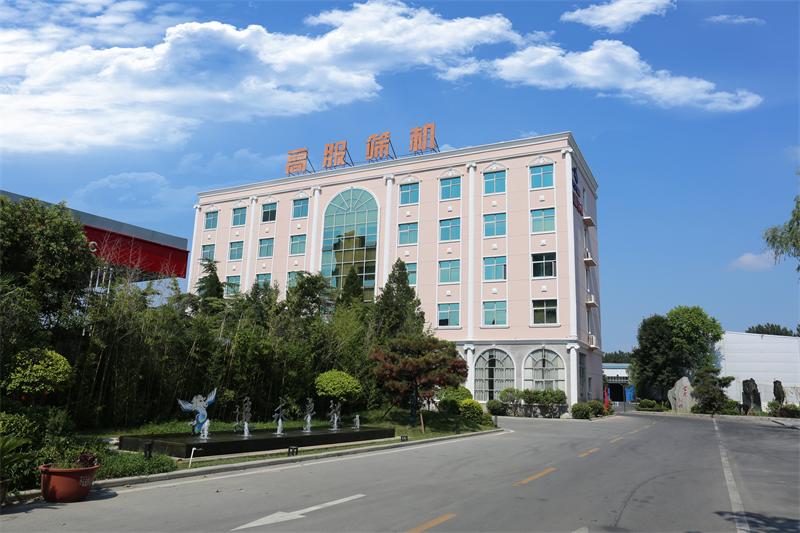
Xinxiang Gaofu Machinery Co., Ltd. has more than 40 years of experience in the research, development, and manufacture of industrial screening equipment, providing integrated solutions for screening, conveying, and automated material handling. Its product range covers rotary vibrating screens, tumbler sieves, ultrasonic vibrating screens, linear vibrating screens, airflow screens, and related conveying, filtration, and coal crushing equipment. These products are used in food, pharmaceutical, chemical, metallurgy, building materials, mining, and other industries.
The company holds ISO 9001 quality management system certification, and CE marking is applied to applicable product series. Gaofu has filed more than 500 patent applications cumulatively and has participated in drafting four national standards. Its products are sold in China and exported to more than 100 countries and regions, including the United States, Australia, Russia, the United Kingdom, Spain, Germany, the Netherlands, Poland, the Philippines, Thailand, Indonesia, and Singapore. Gaofu has served more than 10,000 customers worldwide.