Bakery lines run on steady flour flow. A new sifter can improve quality. Yet poor integration can disrupt the whole line. Therefore, bakers need a clear plan before installation. Gaofu Machinery builds the rotary vibrating sieve for flour screening. This industrial flour sifter fits bakery lines with careful planning. The following steps explain how to integrate it smoothly.

Step 1: Choose the right integration point
First, map the flour path from intake to mixer. Most bakeries place a sifter after storage and before mixing. This position removes lumps and oversize particles before they reach the mixer. Some lines also screen recycled flour or rework. In that case, place the sifter near the rework station. The rotary vibrating sieve works well at these points. Its compact body fits into tight spaces. At the same time, its enclosed design contains dust. As a result, the sifter supports both quality and workplace cleanliness.
Step 2: Confirm space and headroom
Space often limits bakery upgrades. A rotary vibrating sieve uses a vertical motor and a round screen body. This layout stacks the drive and screening sections. Consequently, the machine needs only a small floor area. It also requires modest headroom. Bakers can place it near mixers, packaging lines, or storage bins. The compact size allows easy relocation when layouts change. In practice, this flexibility helps small plants and large factories alike. Check the inlet and outlet heights before installation. Then confirm access space for cleaning and maintenance.
Step 3: Connect material flow
Material flow decides screening performance. Feed the sifter with a consistent flow. For example, a screw feeder or rotary valve can support stable input. Avoid sudden surges, because they can overload the screen. On the outlet side, connect to the next process with short, smooth transitions. Also, flexible connectors help reduce vibration transfer. They also simplify alignment during installation. The rotary vibrating sieve uses food-grade silicone gaskets. Quick-release clamps secure the connections. Meanwhile, a dust extraction port can connect to the plant collection system. This step keeps flour dust contained.
Step 4: Match capacity and controls
Capacity should match the bakery line. Oversizing wastes space. Undersizing creates bottlenecks. Next, review the target throughput and flour type before selection. The rotary vibrating sieve offers several diameters. Small units serve pilot plants and specialty production. Larger models handle high-volume milling. In addition, operators can adjust the eccentric weights. For instance, a softer setting suits fine cake flour. On the other hand, a stronger setting handles whole wheat flour or starch. For automation, integrate start-stop signals with the line control system. Then add level sensors or flow indicators where needed. Overall, these details help the sifter work as part of the line, not as a separate island.
Step 5: Plan hygiene and cleaning
Hygiene matters in every bakery. Flour dust and moisture can create cleaning challenges. The rotary vibrating sieve uses SUS304 or SUS316L stainless steel contact parts. In addition, internal surfaces receive a smooth polish. This finish reduces flour adhesion. At the same time, food-grade gaskets provide a reliable seal. Quick-release clamps allow tool-free access. Operators can inspect the mesh and clean the interior in minutes. For allergen control, assign a cleaning routine between product changes. Then verify mesh condition before the next batch. Also, the enclosed housing supports dust control. These features help bakeries meet hygiene goals without slowing production.
Step 6: Prepare maintenance and spare parts
Maintenance planning reduces downtime. Finally, keep common spare parts on hand. These include gaskets, clamps, and screen frames. Also, train operators to change screens without tools. A routine check of mesh tension and seal condition takes only minutes. The rotary vibrating sieve uses a simple drive layout. This design supports straightforward service. Gaofu stocks common spare parts for fast dispatch. The company also offers technical support worldwide. Therefore, bakeries can plan maintenance around production schedules. Overall, low maintenance effort helps the line stay stable.
Conclusion
Integrating an industrial flour sifter into a bakery line requires more than buying a machine. It requires the right position, space plan, flow connection, capacity match, hygiene routine, and maintenance plan. Gaofu’s rotary vibrating sieve supports these steps through compact design, adjustable motion, hygienic construction, and easy access. If you plan a bakery line upgrade, contact our sales engineering team. Share your flour type, target capacity, and available space. We can discuss a suitable configuration or arrange a material test.
About Gaofu
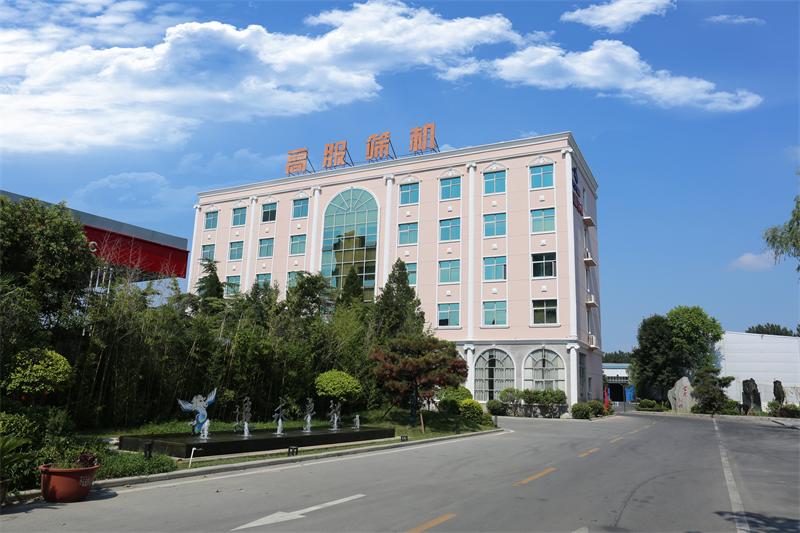
Xinxiang Gaofu Machinery Co., Ltd. has more than 40 years of experience in the research, development, and manufacture of industrial screening equipment, providing integrated solutions for screening, conveying, and automated material handling. Its product range covers rotary vibrating screens, tumbler sieves, ultrasonic vibrating screens, linear vibrating screens, airflow screens, and related conveying, filtration, and coal crushing equipment. These products are used in food, pharmaceutical, chemical, metallurgy, building materials, mining, and other industries.
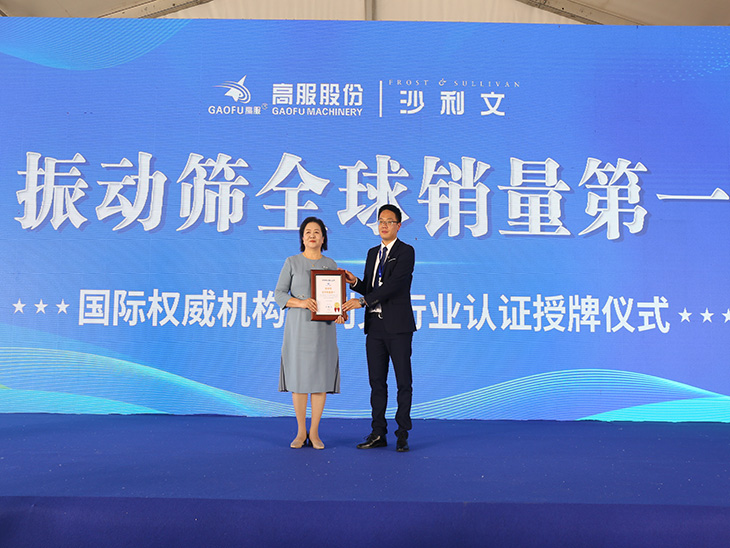
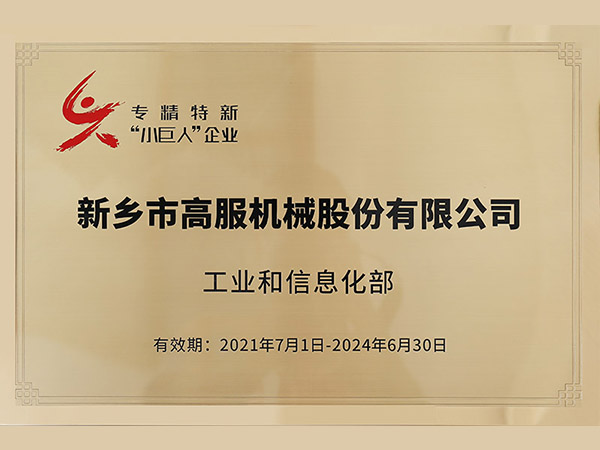
The company holds ISO 9001 quality management system certification, and CE marking is applied to applicable product series. Gaofu has filed more than 500 patent applications cumulatively and has participated in drafting four national standards. Its products are sold in China and exported to more than 100 countries and regions, including the United States, Australia, Russia, the United Kingdom, Spain, Germany, the Netherlands, Poland, the Philippines, Thailand, Indonesia, and Singapore. Gaofu has served more than 10,000 customers worldwide.